
BMIMI Mobility Conference 2026
- Increasing need for action in youth mobility: A worrying rise in physical inactivity, growing shares of motorized individual transport (MIT), and deficits in the general well-being of adolescents highlight an urgent need for action in today’s transport system.
- Heterogeneity of age groups: Young people must not be treated as a homogeneous target group in planning. Children, teenagers, and young adults have fundamentally different mobility needs and specific risk profiles.
- Multimodality and the relevance of stable routines: Walking is the fundamental core component of children’s mobility. Including walking, around 90% of children use more than one mode of transport over the course of a week. Everyday mobility, however, is strongly structured by established routines. In practice, it becomes clear that even a single problematic traffic spot or barrier in the street space can negate the impact of numerous well-designed measures at the actual destination.
- Integrated and systemic planning approaches: Successful mobility strategies require coordinated cooperation across sectors. Packages of measures must be put together that consider infrastructure, transport services, social norms (such as parental mobility behavior), education, as well as health and psychology in an integrated way.
The conference, which was attended by around 650 experts, underscored the need for close integration of evidence-based research and application-oriented transport planning.
Further information on the research projects is available at young-mobility.at
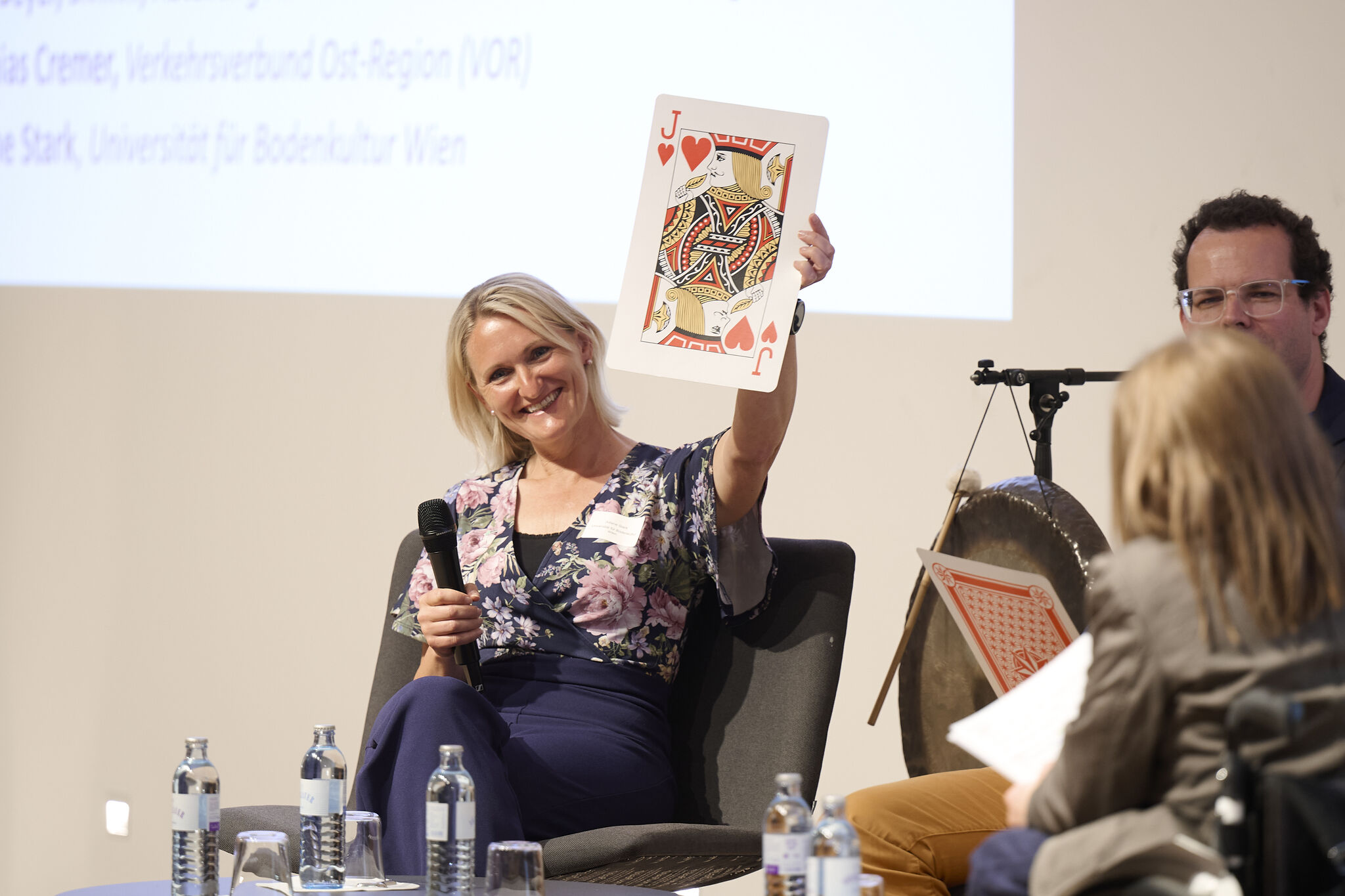
Photo: BMIMI, Hörmandinger
06.05.2026