
A novel virulence strategy of an important cereal pathogen:
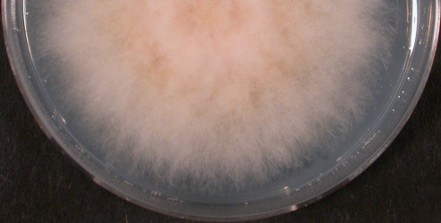
The dreaded fungal pathogen Fusarium graminearum is known for production of trichothecene mycotoxins, which can suppress plant defence and are highly toxic for animals and humans. An interdisciplinary team of BOKU researchers could now elucidate a new trick of the pathogen. The fungus can metabolize tryptamine-derived plant defence-compounds into the growth hormone auxin.
BOKU resarchers fom the fields of fungal molecular biology, analytical chemistry and metabolomics already collaborating in the FWF-funded special research project SFB Fusarium could demonstrate that tryptamine-derived plant defense substances formed after infection can transiently inhibit growth of Fusarium graminearum. Yet, the pathogen can hydrolyse substances such as coumaroyl-tryptamine und feruloyl-tryptamine. High amounts of tryptamine are released, which are then converted into indole-acetaldehyde and defence-suppressing indole acetic acid (auxin). A mutant lacking all seven genes encoding Cu2+ amine-oxidases can only marginally increase auxin levels in planta and has impaired ability to spread. These defects were complemented by adding back a single gene. These novel insights should be a valuable starting point for future plant breeding efforts to increase Fusarium resistance and to reduce mycotoxin contamination of small grain cereals.
| Additional Links |
|---|
| Ao.Univ.-Prof.i.R. Dipl.-Ing. Dr.rer.nat. Gerhard Adam |