
Fabian Faßnacht is now at BOKU
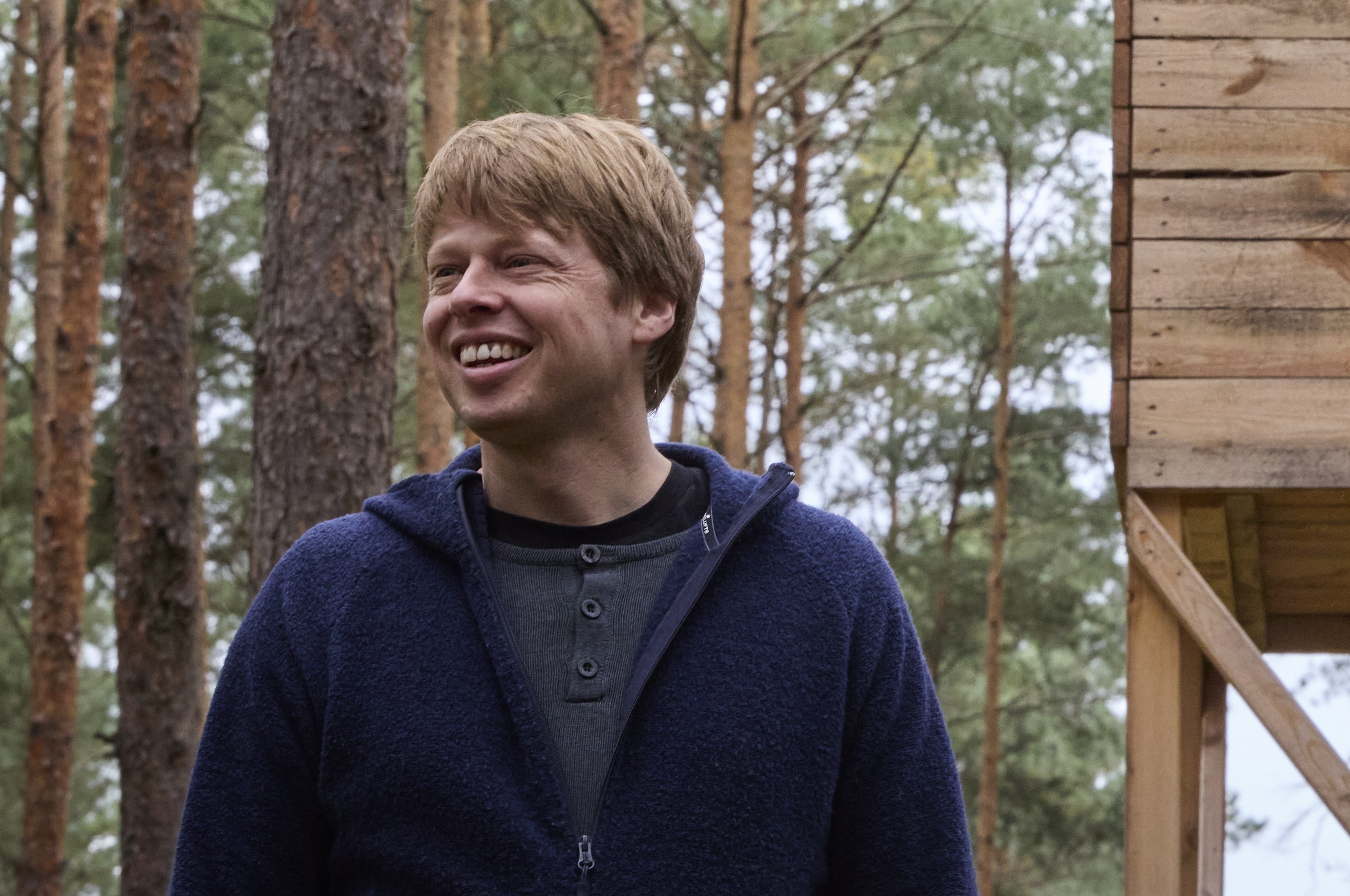
He has made contributions to advancing remote-sensing-based workflows to estimate biomass, identify forest damage, map species, including invasive species, derive biochemical and biophysical traits in grassland and forest areas to inform inventories, and better understand the state of ecosystems. An important motivation for this work is the need to better understand, and also communicate the true links between vegetation characteristics and the signal (electromagnetic radiation) measured by remote sensing sensors. This includes clearly communicating what remote sensing can and cannot do to keep track of the state of our ecosystems and to ensure that no wrong expectations are raised.
After finishing his Diploma and PhD at the University of Freiburg, Germany, he has worked at the Karlsruhe Institute of Technology and Freie Universität Berlin in Germany. He has completed several research stays abroad at Universidad de Chile in Santiago de Chile, Chile, at Colorado State University in Fort Collins, USA (Fulbright scholarship) and two stays at the Chinese Academy of Sciences (CAS) Northwest Institute of Plateau Biology in Xining, China (President's International Fellowship Initiative (PIFI)).