Project impaQt
impaQt (Implementing Advanced Quartier Transformation): climate-resilient cities: cross-siloed impact of urban city Quarters
Urban areas around the world are facing climatic challenges such as overheating, water shortages, and heavy rainfall. Resilient and sustainable solutions in terms of construction, vegetation, and process engineering must be developed, and their implementation must be promoted and accelerated in order to optimally adapt cities and their surrounding areas to climate change.
The LIFE project ‘impaQt: climate-resilient cities: cross-siloed impact of urban city quarters’ focuses on creating climate-resilient urban landscapes by emphasizing sustainable, integrative, and cross-sectoral planning, implementation, and maintenance of these spaces in a comprehensive context. In addition, innovative, impact-oriented financing instruments are being developed and tested, with the challenge lying in quantifying and monetizing the effects on microclimate, water balance, transport, energy, and biodiversity through climate change adaptation.
This holistic approach is being tested using two demonstration projects in two European cities of different sizes:
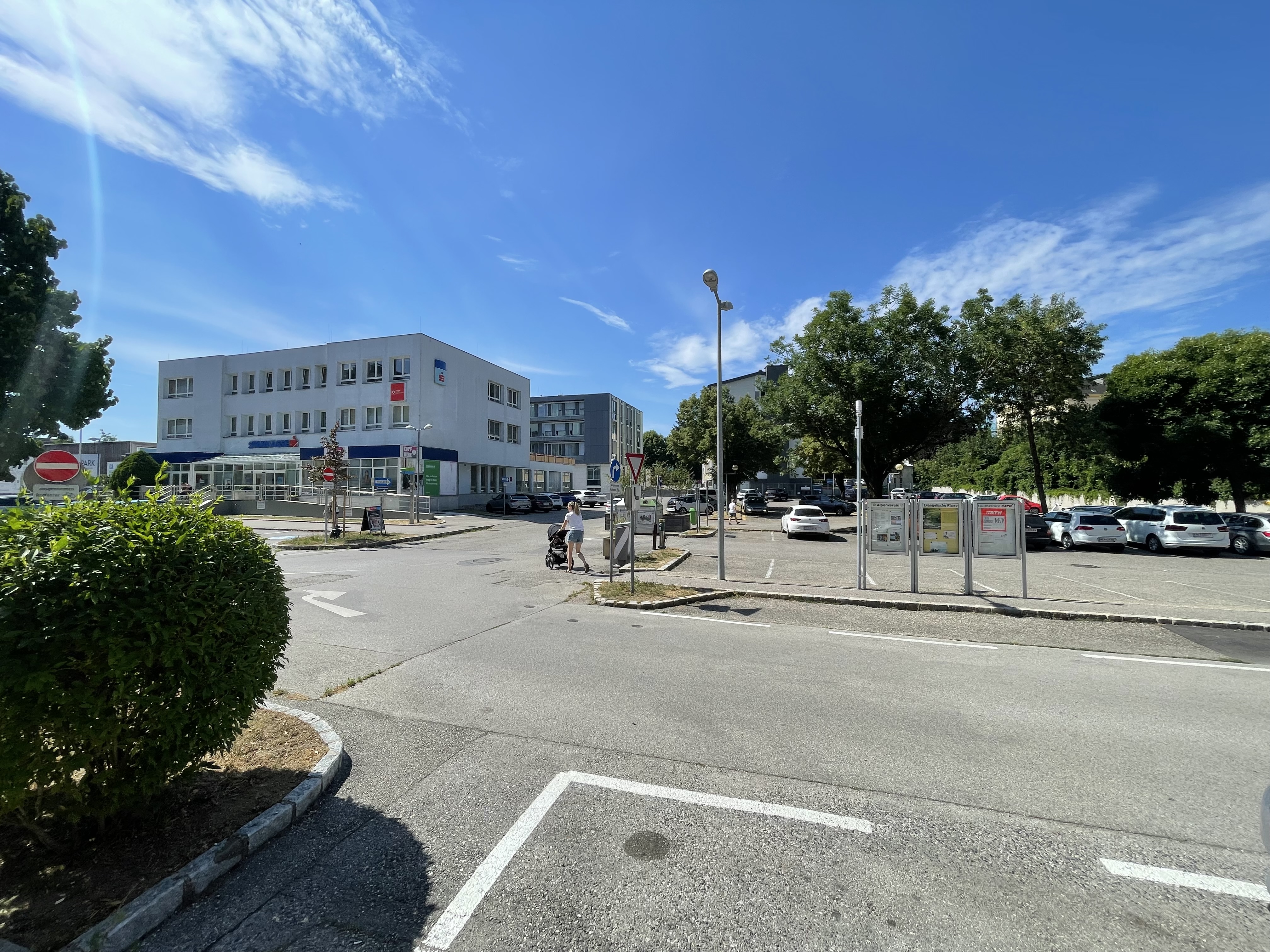
The “Klimaboulevard” neighbourhood development project in Melk, Austria, focuses on optimizing the residential environment and traffic areas with the aim of creating new, attractive, and effective open and green spaces for the population in the city centre of Melk. An existing parking lot will be converted into an “inner-city climate forest.” Green infrastructure such as trees, shrubs, and perennials, as well as the use of permeable, green surface coverings, will allow for increased use of the area for recreation, leisure, and exercise, in addition to mobility and traffic, closer to the city centre. A holistic, cross-silo impact planning process will be set up and implemented for the entire neighbourhood, an impact-based financing model will be implemented, and co-creation structures will be established. This will create a living lab for the entire neighbourhood development.
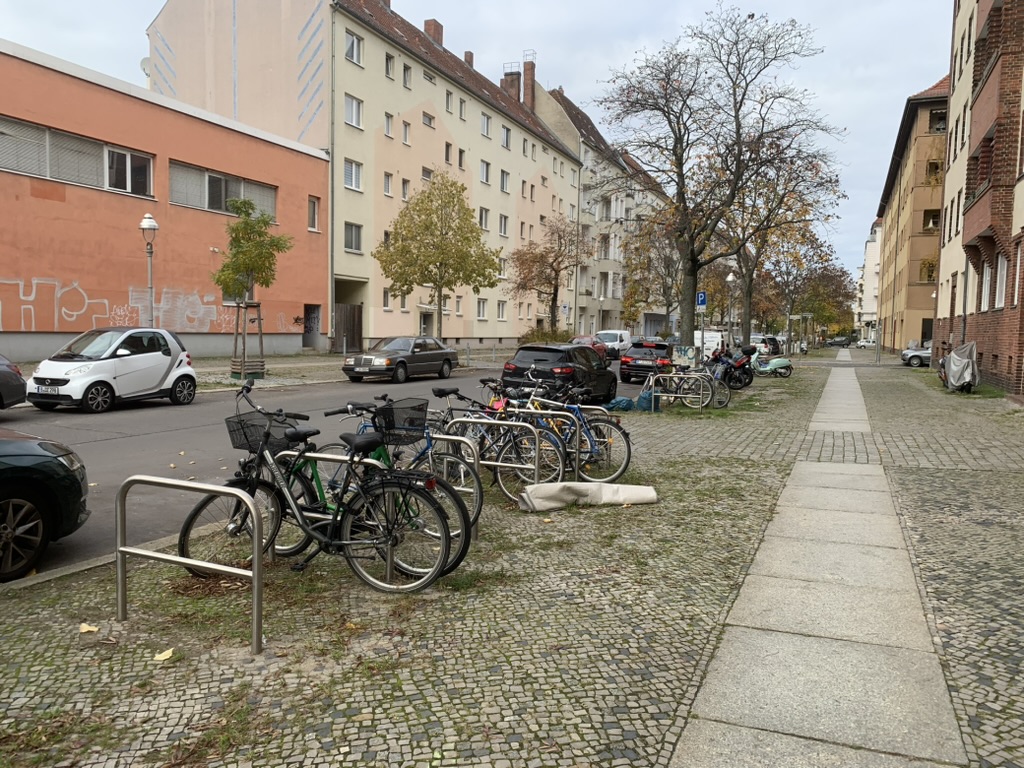
At the same time, another demonstration project is being implemented in a district of Berlin-Charlottenburg, Germany. Ilsenburgerstraße is undergoing extensive redevelopment with a focus on rainwater management and optimization of the living environment, mobility, and traffic. Street spaces are being reimagined by breaking up and redesigning traditional zoning. The aim is to create liveable spaces for cyclists and pedestrians. This will be complemented by open, hydro active surfaces, combined with attractive recreational areas and shady trees and shrubs. Here, too, the impact of the measures taken for climate change adaptation will be monitored and evaluated in order to test the financing models mentioned above. Open participation activities allow for the strong involvement of all stakeholders.
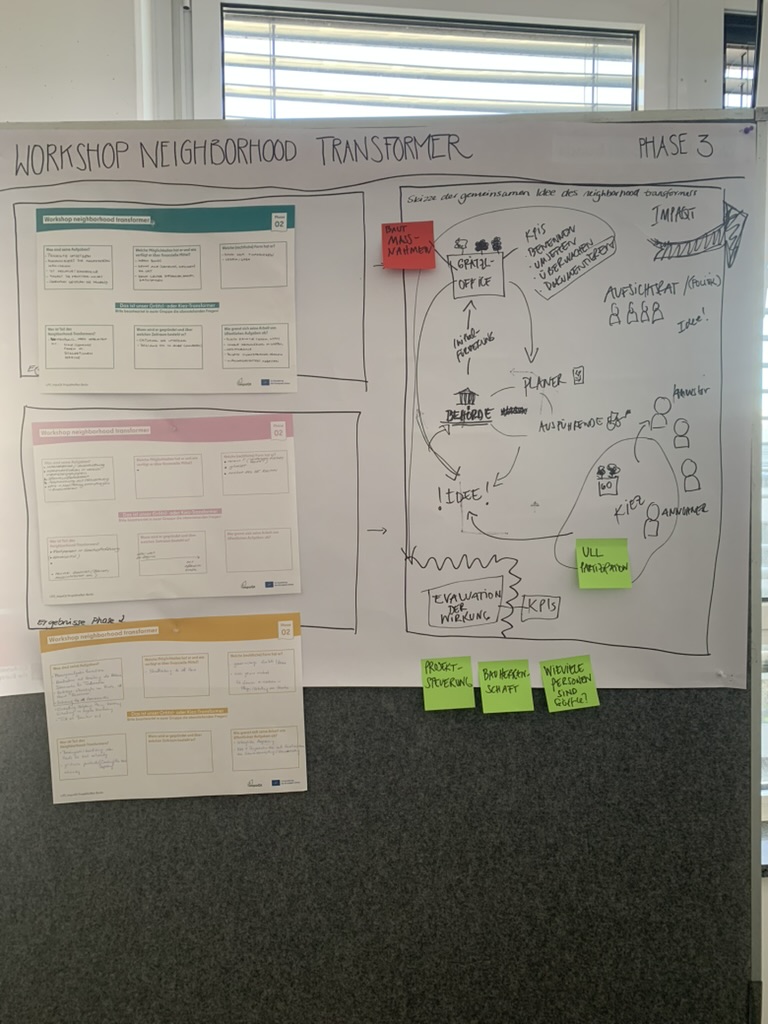
The co-creative living labs those have been initiated identify conflicting goals and negotiate between all relevant stakeholders (real estate developers, property owners, citizens, businesses and retailers, public authorities, and administrators). The aim is to develop scalable and transferable solutions for the entire district in both urban development areas.
To ensure long-term and active engagement, the living lab will be developed into a newly founded, privately run local company. The aim is to sustainably activate citizen engagement at the neighbourhood level by promoting open innovation through a range of cross-sector planning and management tools, disseminating knowledge about climate change adaptation measures, and facilitating access to impact-based financing instruments.
Project information:
EU LIFE LIFE_impaQt (Q for Quarter): transformative action model LIFE-24-SAPC-3931
Project duration: August 1, 2025, to July 31, 2029
Funding: LIFE program (2021-2027) - Standard Action Projects
Funding body: European Commission (EU)
Project partners:
- Green4Cities GmbH (Coordinator)
- City of Melk
- City of Berlin, District office Charlottenburg-Wilmersdorf, Environmental Protection Agency
- komobile w7 GmbH
- superwien urbanism zt gmbh
- plan zwei Stadtentwicklung | Stadtforschung | Kommunikation GbR
- NÖ Energie- und Umweltagentur GmbH
- Steuerberatungskanzlei Mag. Roland Honeder
- European Federation of Green Roof & Living Wall Associations – EFB
- BOKU University, Institute of Soil Bioengineering and Landscape Construction
Contact person BOKU University: Priv.-Doz. DI Dr. Ulrike Pitha