FoodValues
Values-based modes of production and consumption in the current food regime
FWF Young Independent Research Group 03/2021-02/2026
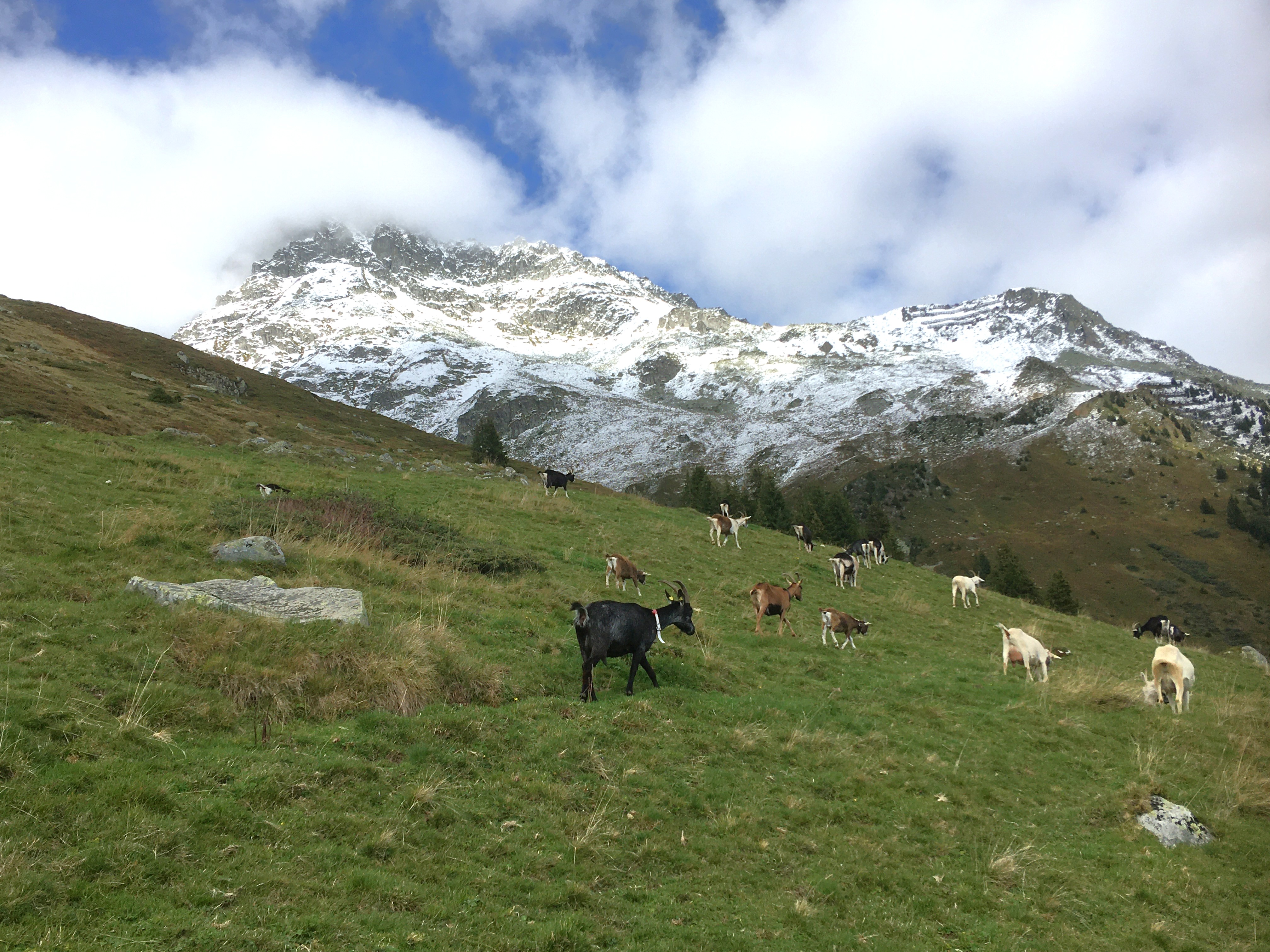
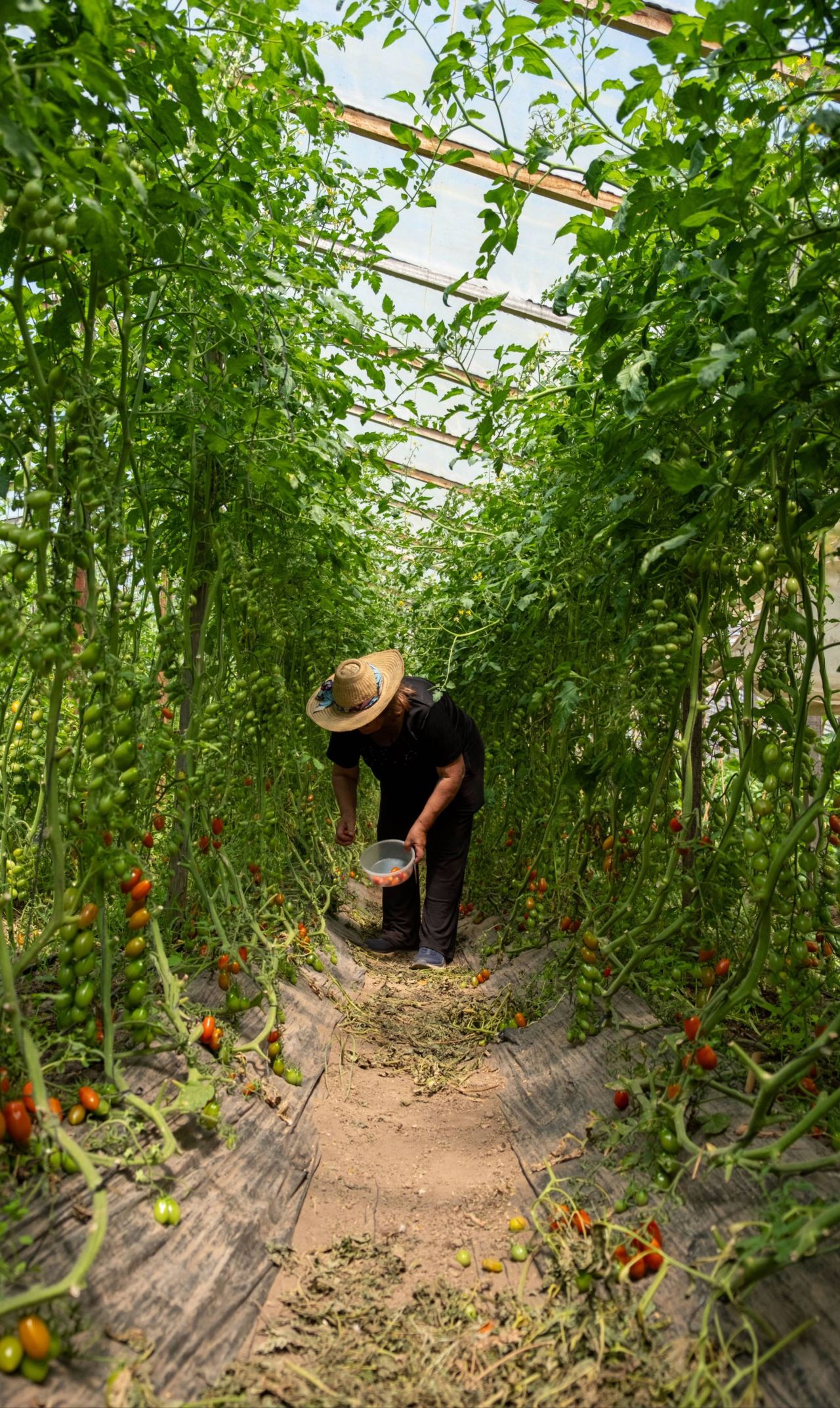
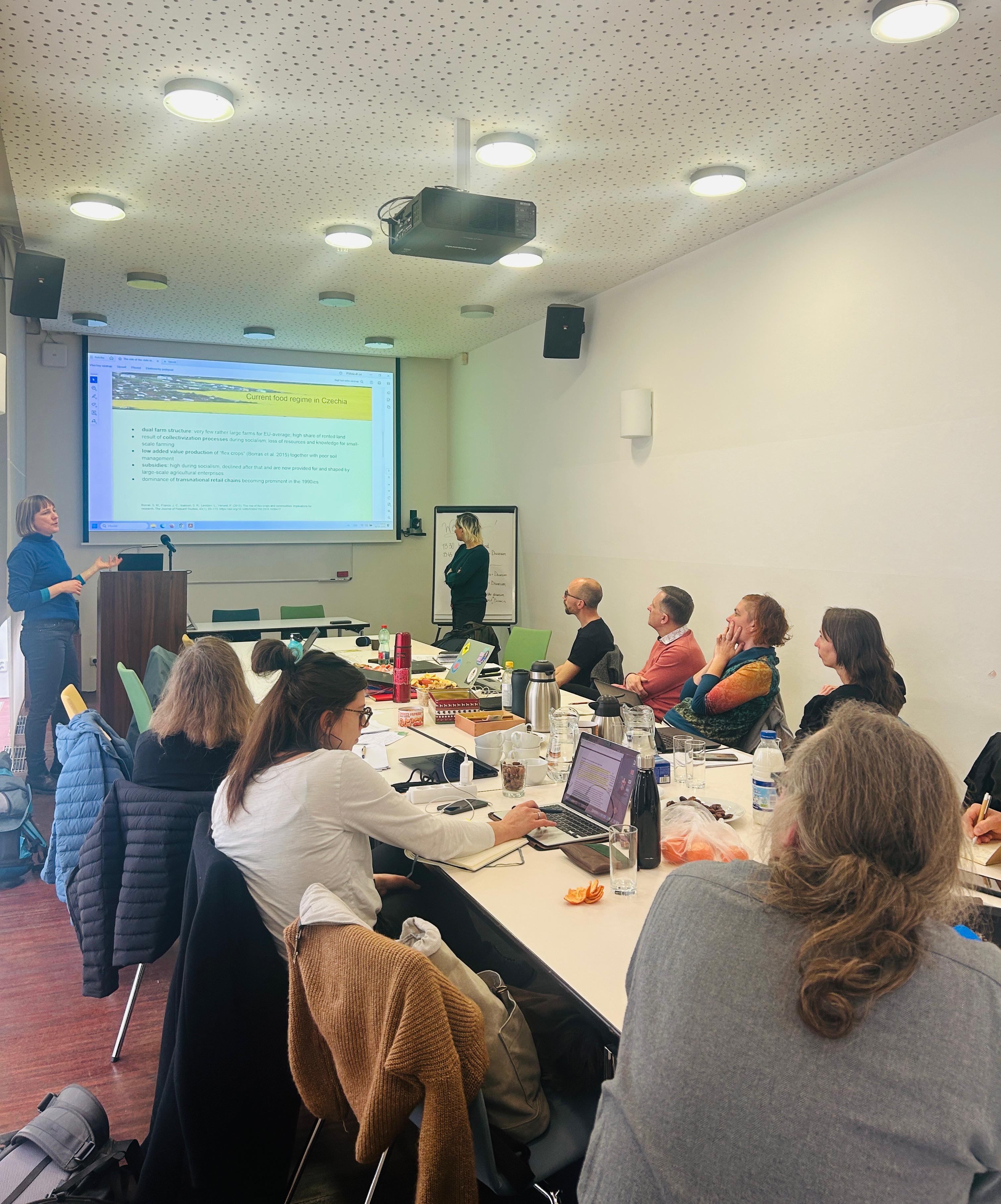
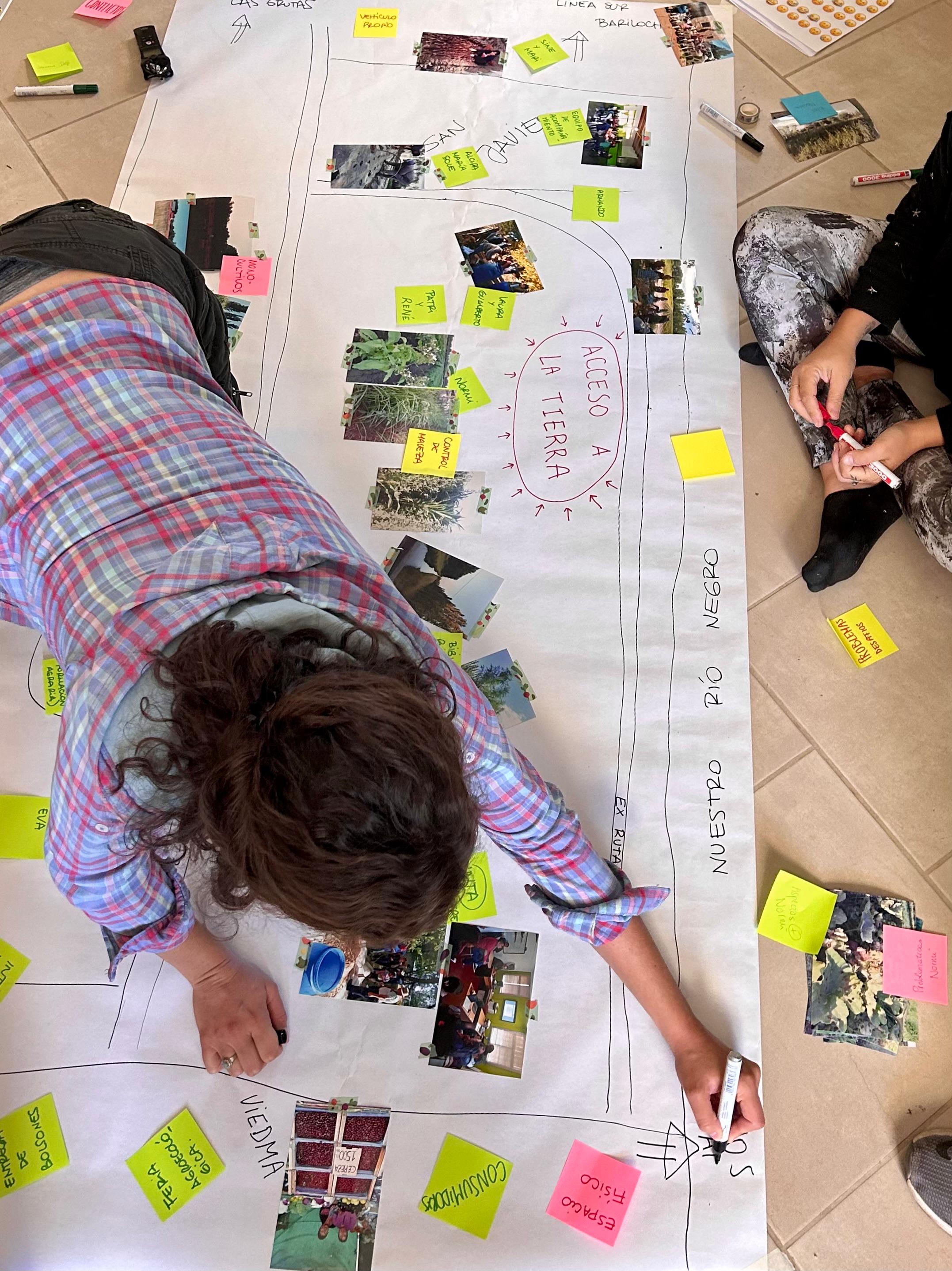
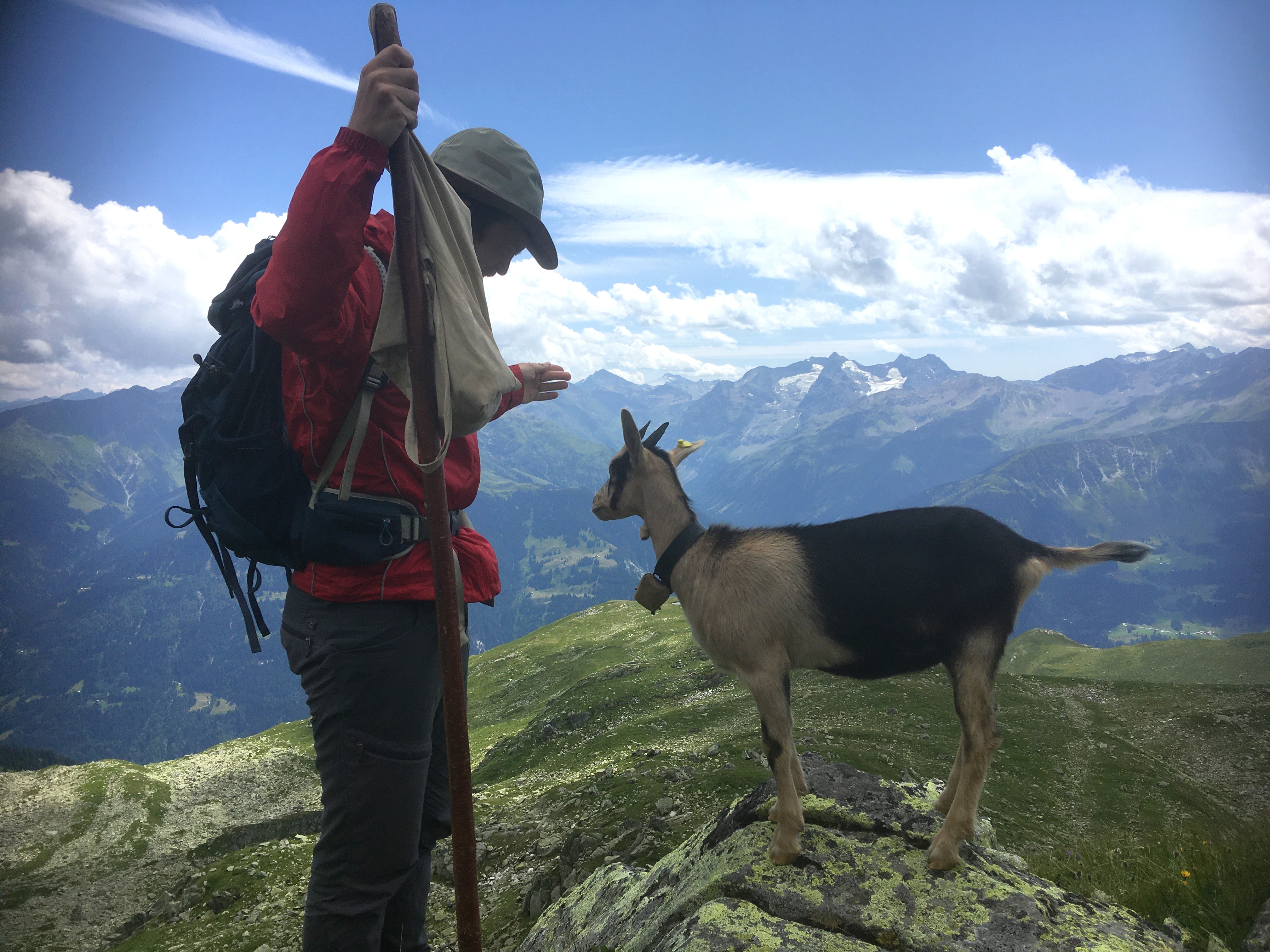
The current food system is being challenged by social movements and local producers who are striving for more socially and environmentally sustainable production based on values such as solidarity and trust. We focus on various local and regional food initiatives, which we analyze using our interdisciplinary theoretical framework of “value-based modes of production and consumption” to examine how they work to transform the power of corporations and the state in relation to the current food regime. Using qualitative and participatory methods, we examine these initiatives in our case countries: Argentina, the Czech Republic, and Switzerland. While Argentina and the Czech Republic are characterized by export-oriented agribusiness conglomerates – with transnational retail chains strongly shaping domestic consumption in the case of the Czech Republic – the food regime in Switzerland is heavily finance-driven but oriented toward family farms. The case studies from our three countries show that the question of values – understood as different forms of embeddedness of food initiatives – varies depending on the national context. The project’s research included case studies on Community-Supported Agriculture (CSA) as a form of alternative food initiative to be found across all three countries, albeit in varying shapes and frequencies. A particular challenge for CSA in the Argentine context was not only the Western concept of CSA, but also high inflation, which makes it difficult to pre-finance agriculture. In the Czech Republic, CSA groups are typically located in suburban or urban areas and rely heavily on women on maternity leave, as they place a high priority on healthy nutrition for their children. In Switzerland, the physical distance between the researched mountain CSA and their members requires work stays that involve physically demanding and time-consuming tasks such as tending goats – that is, a high level of commitment that deviates from the convenience of the prevailing food system and limits the accessibility of this alternative food initiative. As for regional food chains, agroecological initiatives in Argentina tend to envision dystopian futures within the framework of the current food regime. In this context, novel educational approaches and forms of social organization are emerging to promote the transformation of the food system, pointing to the need for equally newly developed and creatively adaptable, art-based, and intuitive research practices. The Tisnov bioregion in the Czech Republic and the Valposchiavo bioregion in Switzerland aim to strengthen territorial agricultural and food systems by building internal and external networks, while in the Czech case, differing conceptions of organic agriculture influence their development. Other important and controversial drivers for promoting local and regional initiatives include food sovereignty and the degrowth movement, urban food policy, and the European Union’s “Farm-to-Fork” strategy.