Urban mobility without a private car – results from Vienna’s “Auto-Wette”

Urban mobility without a private car – results from Vienna’s “Auto-Wette”

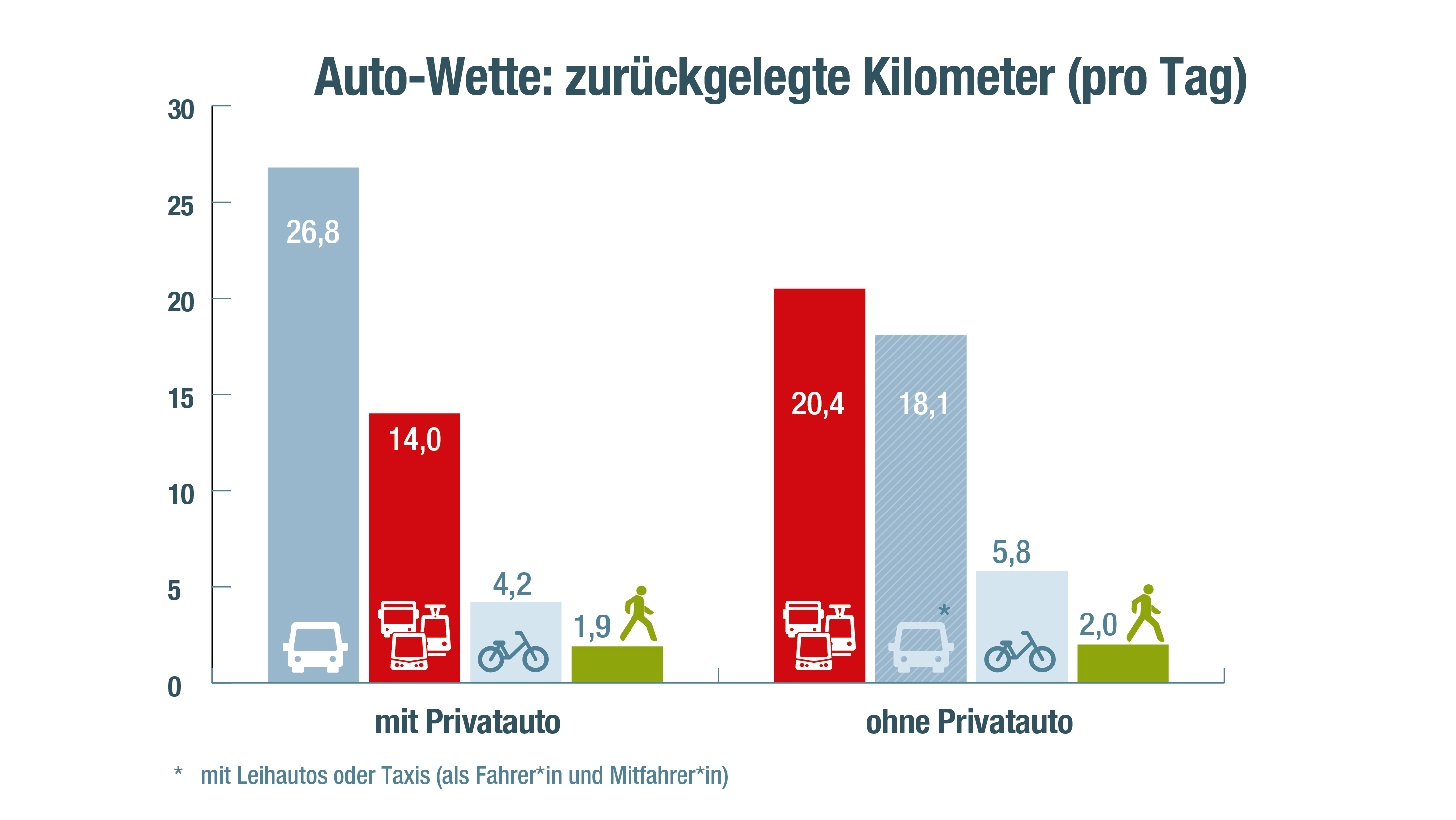
Our Institute has completed the scientific evaluation of Wiener Linien’s “Auto-Wette” (Car Bet). In this real-world experiment, 46 participants from 37 households in Vienna’s Währing district went without their private cars for three months. The aim was to test the limits and potential of urban multimodality under everyday conditions.

Giving up a private car in the city is not only feasible but often more cost-effective and climate-friendly—without noticeable losses in mobility.

Study design:

  • Duration: 3 months without a private car; app-based trip tracking throughout
  • Incentive: €500 mobility credit for alternative modes (walking, cycling, public transport, sharing, taxi)
  • Data basis: movement and spending data, before–after comparison, supplementary surveys

Main findings:

  • Finances: Monthly mobility expenses fell by an average of 40%. The €500 credit was rarely fully used.
  • Climate: A total of 5.5 tons of CO2 were saved during the test phase—equivalent to the annual CO2 sequestration of roughly 440 trees.
  • Accessibility and time: Destinations were on average 5% farther away; daily travel time increased by only about 3%—mobility was effectively maintained.
  • Travel behavior: Over 80% of trips were made using environmentally friendly modes (walking, cycling, public transport).
  • Long-term effects: More than half of the surveyed households (15 out of 28) have already sold their car or plan to do so.

The findings show that in dense, multimodally served urban districts, everyday mobility without a private car can be organized reliably and practically—with clear cost advantages and measurable climate benefits. At the same time, structural challenges remain for trips beyond the city, especially toward suburban and rural areas. In these contexts, service density, temporal reliability (early/late services), and sharing options are crucial.

Research team: Oliver Roider (Project lead), Reinhard Hössinger, Roman Klementschitz, Tobias Dürhammer, Roxani Gkavra, Vera Kretschmer

We thank Wiener Linien for the collaboration and all participating households for their contribution.


19.01.2026

IVE Seminar by Giancarlos Parady

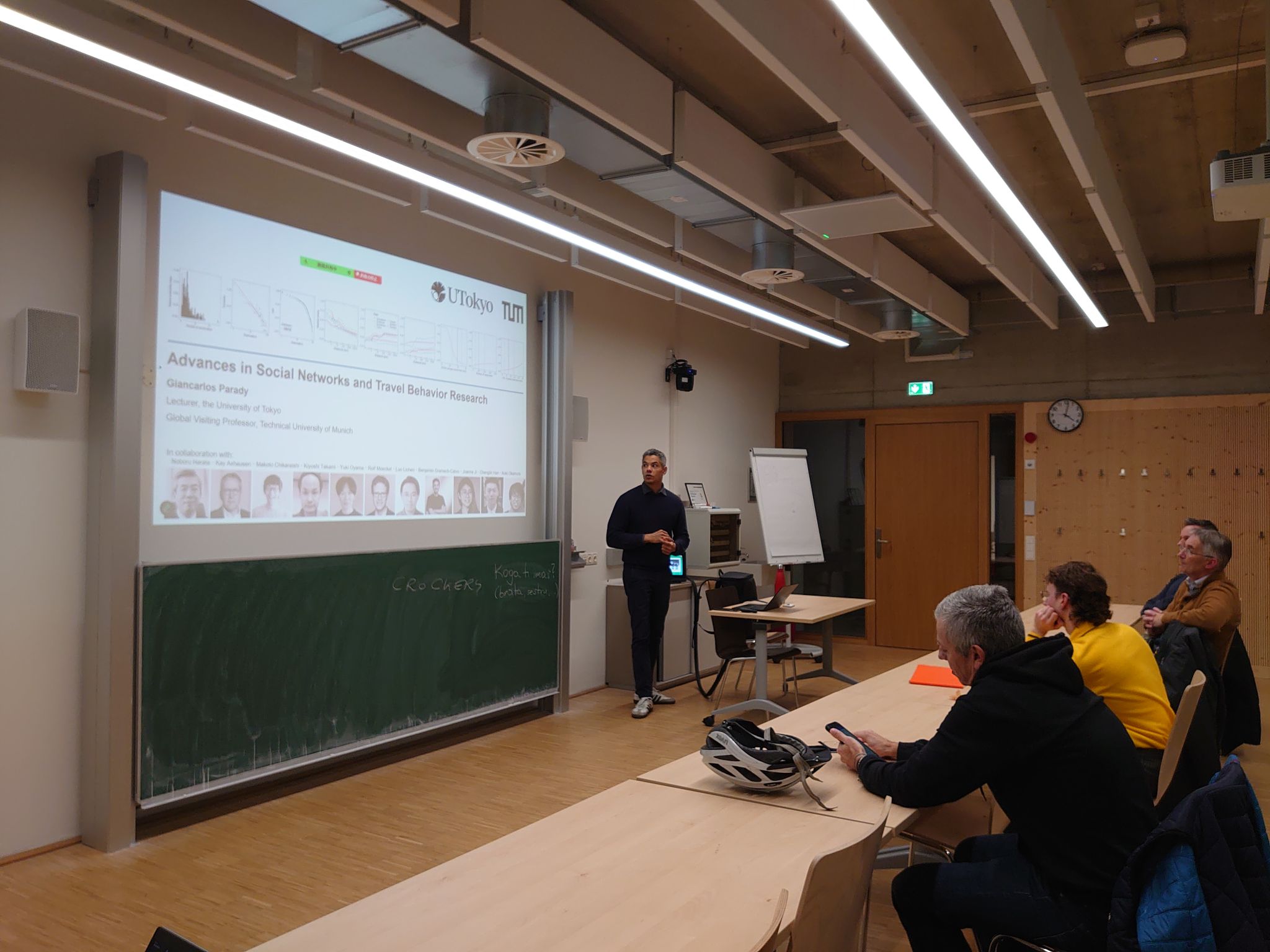
On 16 December 2025, the Institute for Transport Studies (IVE) at BOKU welcomed Giancarlos Parady from the University of Tokyo. He delivered an impressive seminar on advances in the analysis of social networks and mobility/travel behavior, highlighted shifts in data collection and analysis, and presented exciting findings.

About the speaker Giancarlos Parady is a Lecturer in the Department of Urban Engineering at the University of Tokyo. His research integrates social networks into travel behavior models, models activities in physical and virtual spaces, assesses the impacts of new transport technologies on urban morphology, and conducts causal evaluations of people-centered transport policies. His work has been recognized by the City Planning Institute of Japan (CPIJ) and the Japan Society of Transportation Engineers (JSTE). In 2025, he also received the University of Tokyo Faculty of Engineering Teaching Excellence Award.

Seminar topic Joint travel decisions—especially in the context of social activities—remain insufficiently explained in traditional behavioral models. The talk introduced recent innovations in data collection and modeling that integrate social networks into travel behavior research, with a particular focus on group decision-making and joint accessibility.


08.01.2026

Successful defense by Shun Su

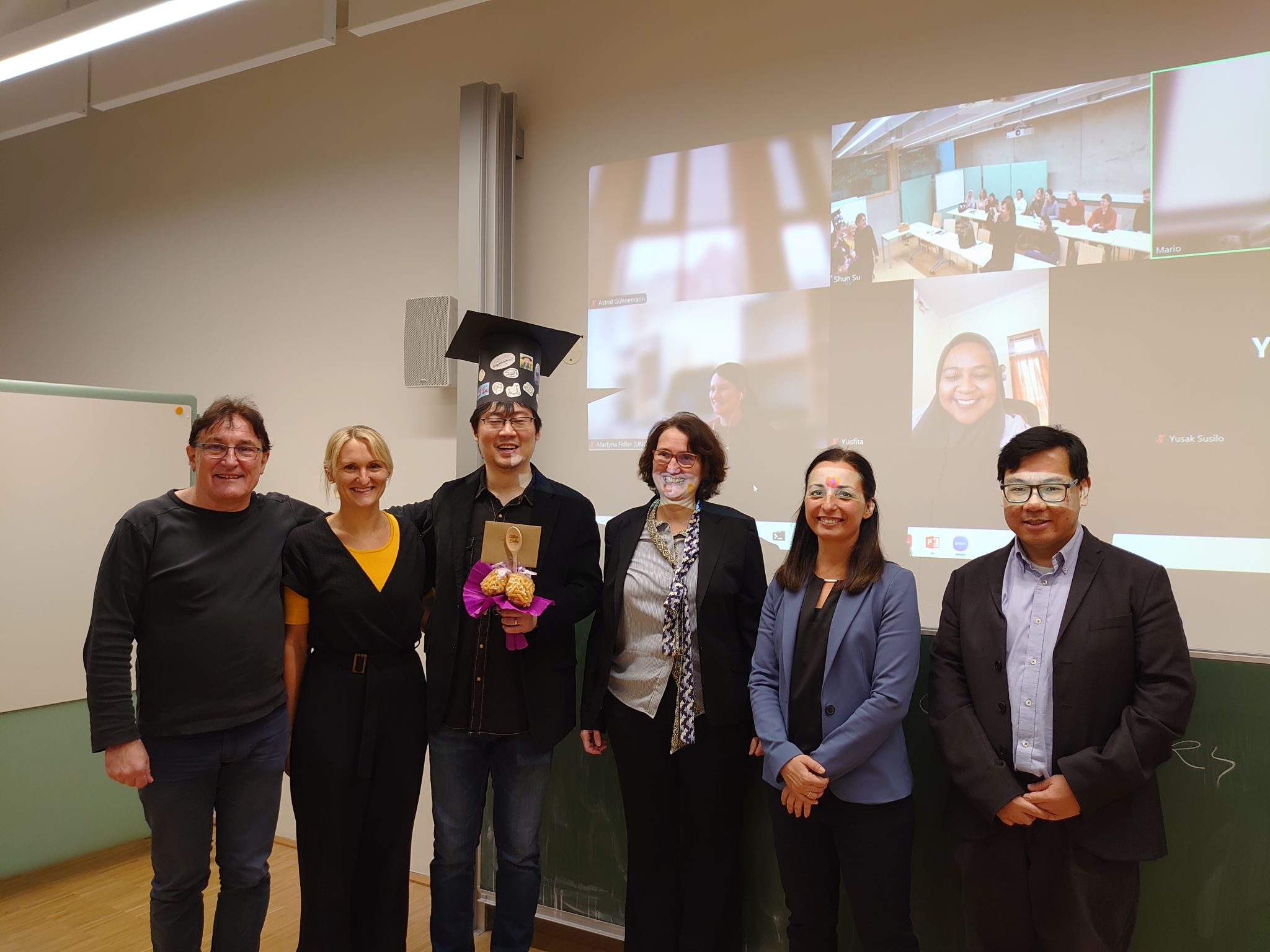
As part of our 2025 year in review, we are especially pleased to celebrate Shun’s successful dissertation defense on 15 December 2025. Shun has been part of our institute for six years, and we are proud of his achievements and contributions.

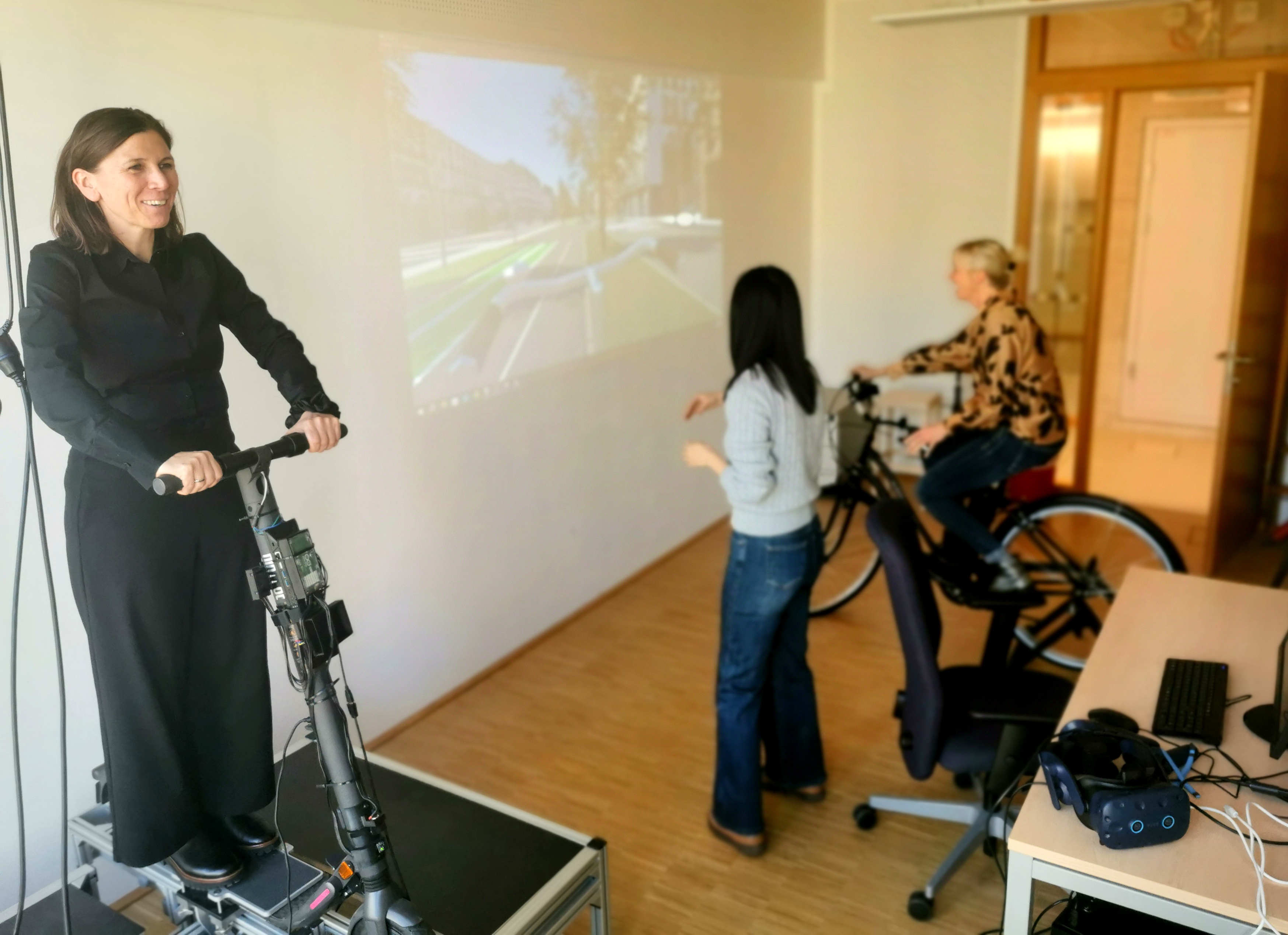
Under the supervision of Prof. Yusak Susilo, Shun advanced his research on users’ physiological responses in active and micromobility travel. He employed biometric sensors and virtual reality to examine comfort, stress, and user experience in real and simulated environments.

Co-supervisors: Assoc. Prof. Juliane Stark, Dr. Martyna Fidler, and Priv.-Doz. Dr. Reinhard Hössinger.

Our sincere thanks go to the examination committee and its chair:

  • Prof. Petra Riefler (BOKU)
  • Prof. Mario Cools (University of Liège)
  • Prof. Astrid Gühnemann (Chair)

Congratulations, Shun—an outstanding achievement. Thank you for six formative years at the institute!


07.01.2026