Science communication
ADAPT4K – Citizen Science for Climate-Resilient Forests


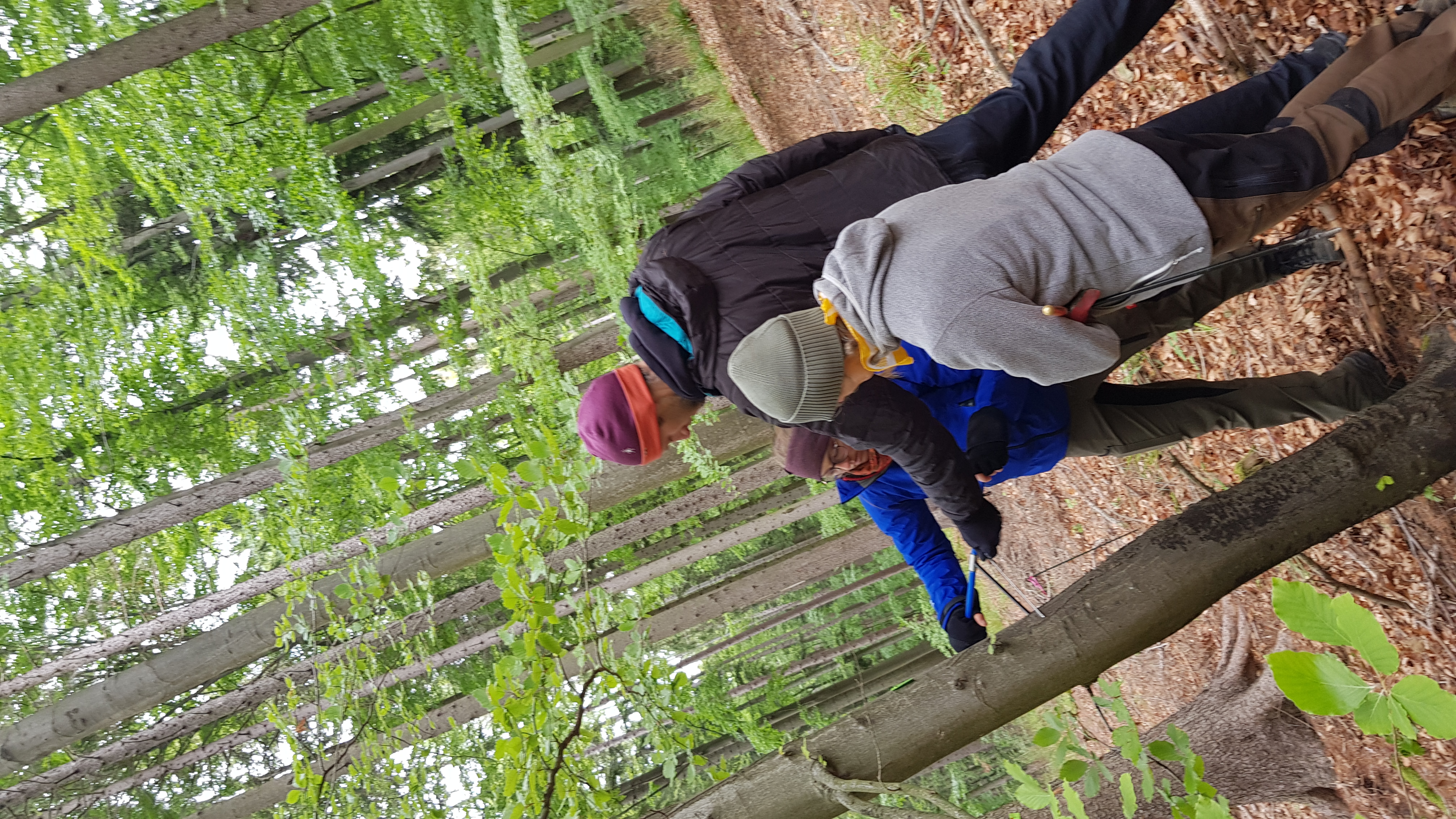


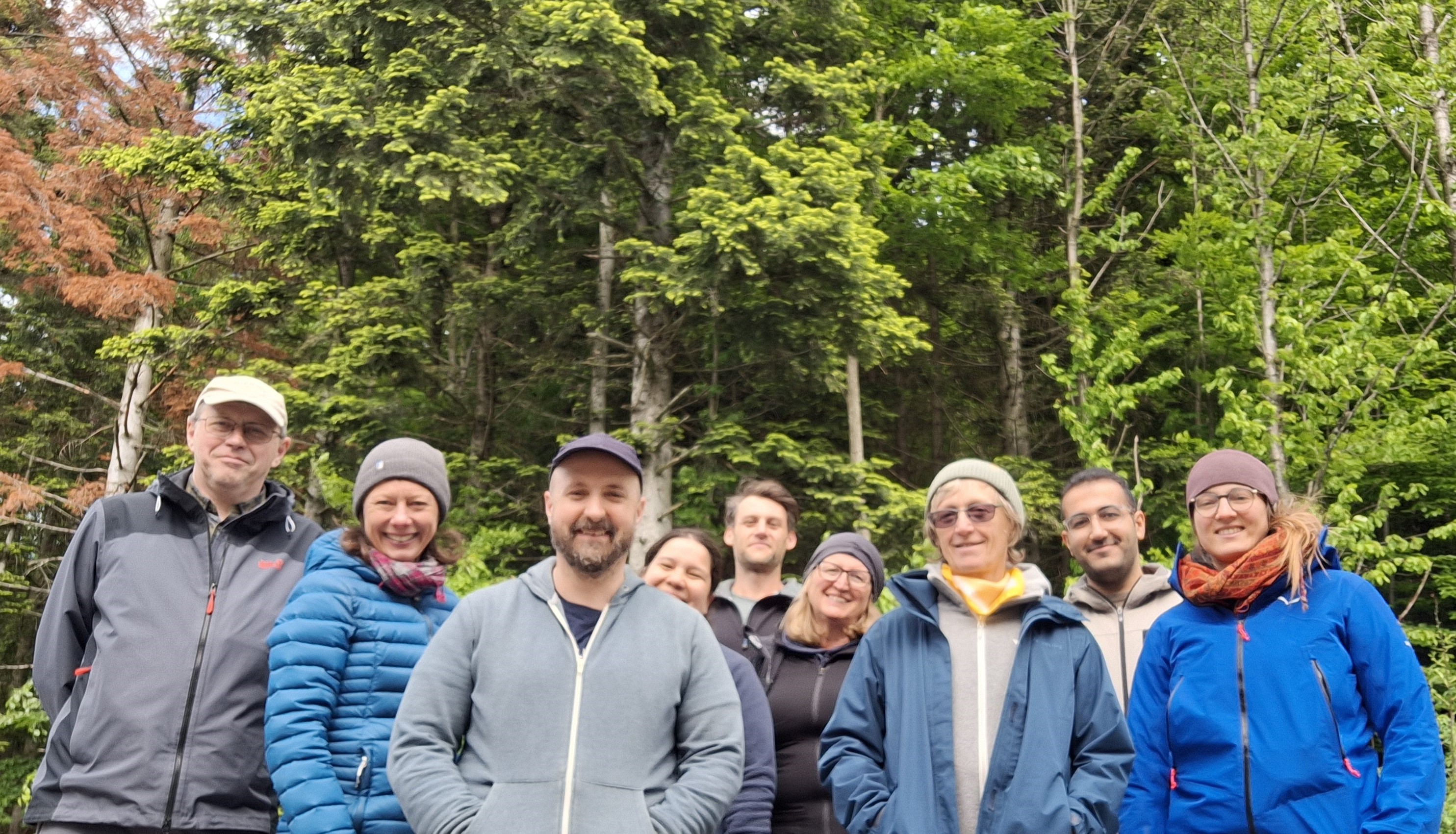
The ADAPT4K project brings together forest practitioners, scientists, and citizens to better understand and address the impacts of climate change on forest ecosystems in Lower Austria. As a network of Forest Living Labs, the project focuses on strengthening the adaptive capacity of forests, particularly in light of increasing drought stress and rising vulnerability of economically important species such as Picea abies (Norway spruce).
Goals and Approach
ADAPT4K investigates how rising temperatures and changing precipitation patterns affect soil moisture, tree vitality, and the risk of bark beetle infestations. The project combines:
- field measurements and soil analyses,
- innovative techniques such as stable isotope analysis and drone-based observations,
- collaboration with forest professionals and interested citizens.
This interdisciplinary approach enables detailed, site-specific assessments of climate-related risks and forest health.
Citizen Science
Citizen science is a central component of ADAPT4K. Forest owners, managers, and engaged citizens are invited to contribute by:
- collecting data in local forest stands,
- sharing practical knowledge and observations,
- participating in workshops and discussions,
- co-interpreting results and supporting decisions toward climate-resilient forest management.
This collaborative setup strengthens the exchange between science and practice while building a community committed to sustainable forestry.
Engagement Opportunities
Participants in the Forest Living Labs can take part in:
- monitoring soil and forest conditions,
- evaluating drought and bark beetle risks,
- contributing to open innovation processes,
- engaging with researchers and practitioners throughout the project.
Impact
ADAPT4K helps improve understanding of how forests respond to climate change and supports the development of adaptive management strategies. By involving citizens, the project raises awareness of forest health issues, increases data quality through broad participation, and provides valuable insights for long-term forest resilience.
Further information can be found on the project website
School project HuLK (“Humus, Landwirtschaft und Klima“)
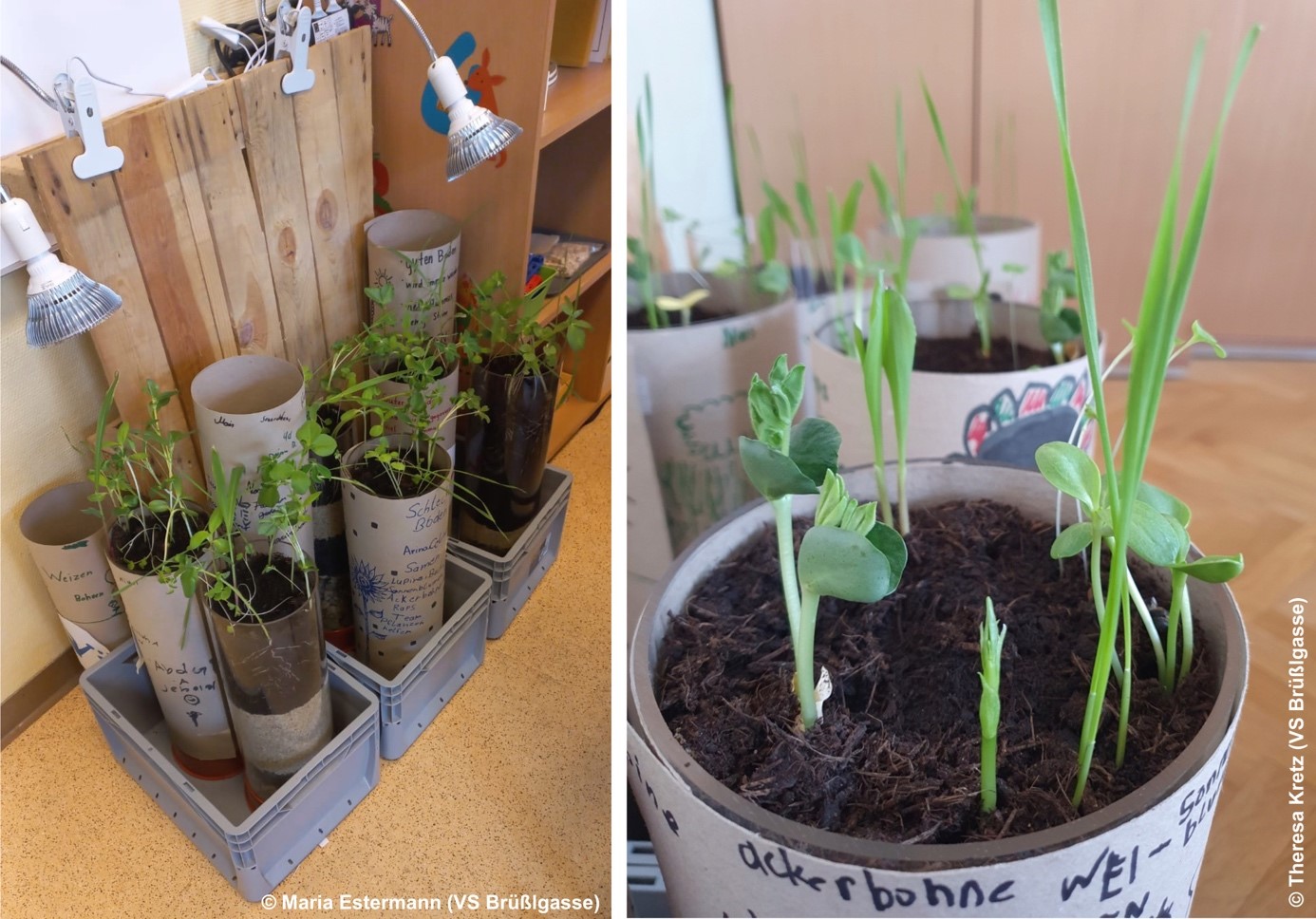
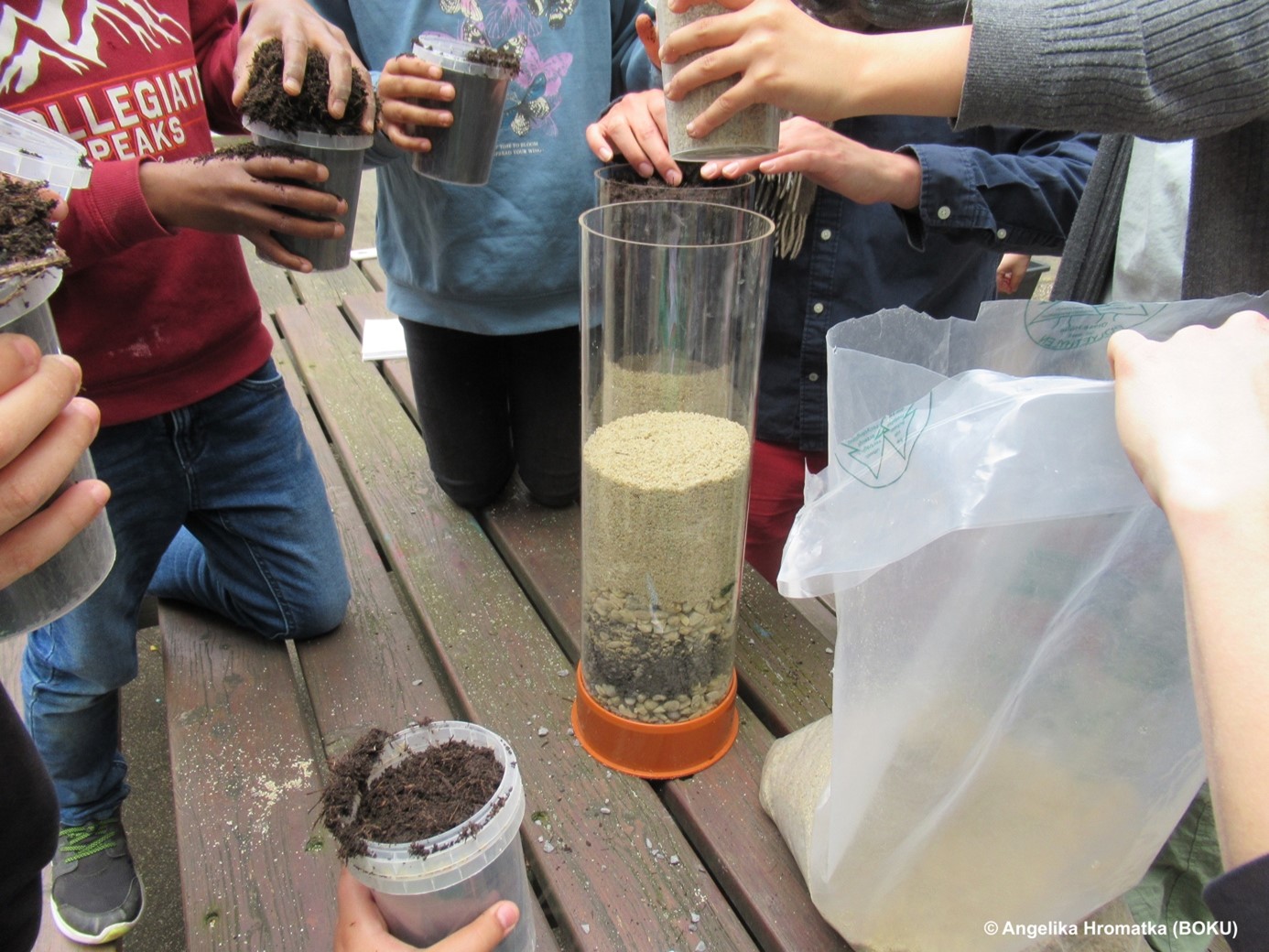
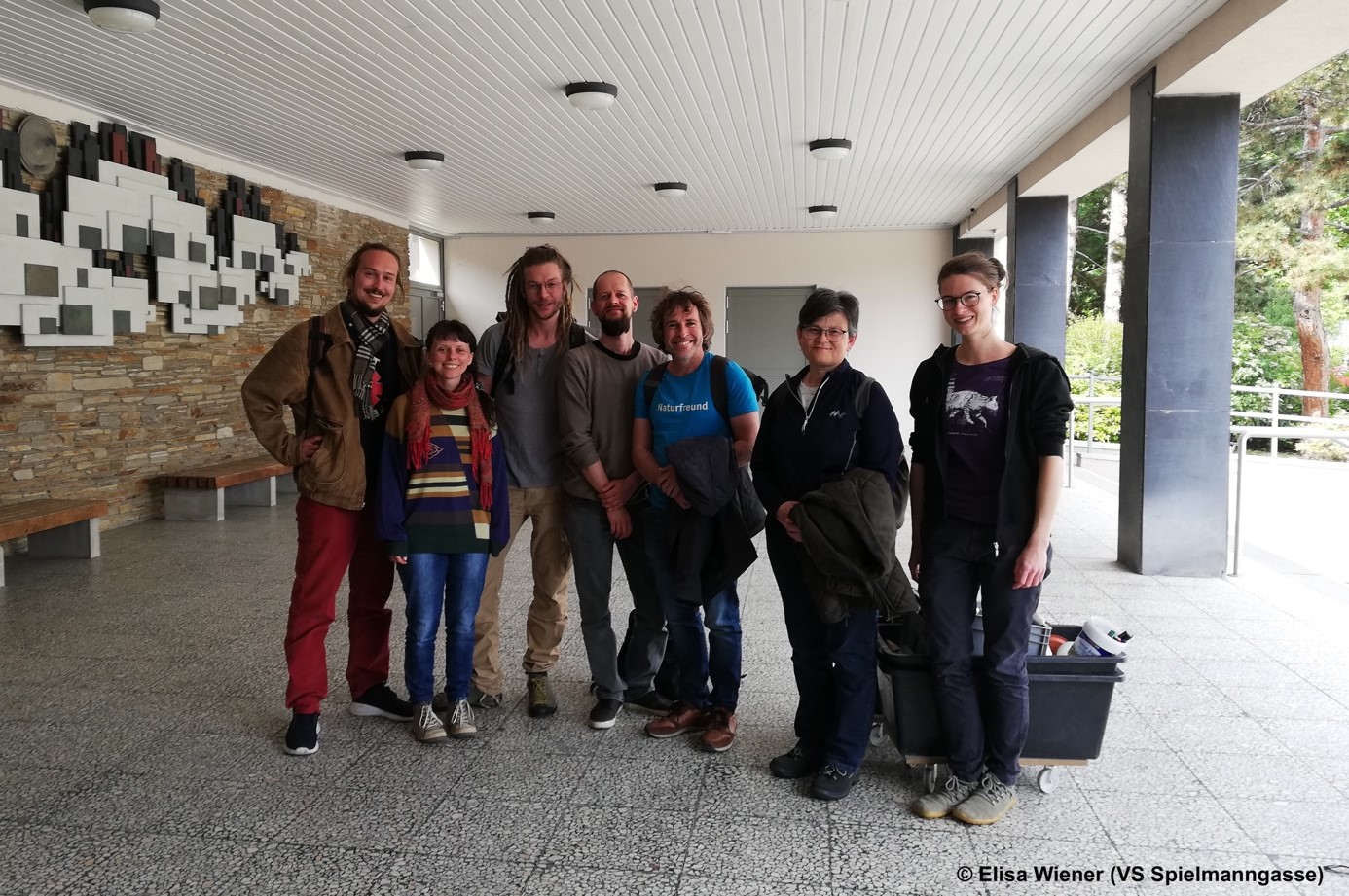
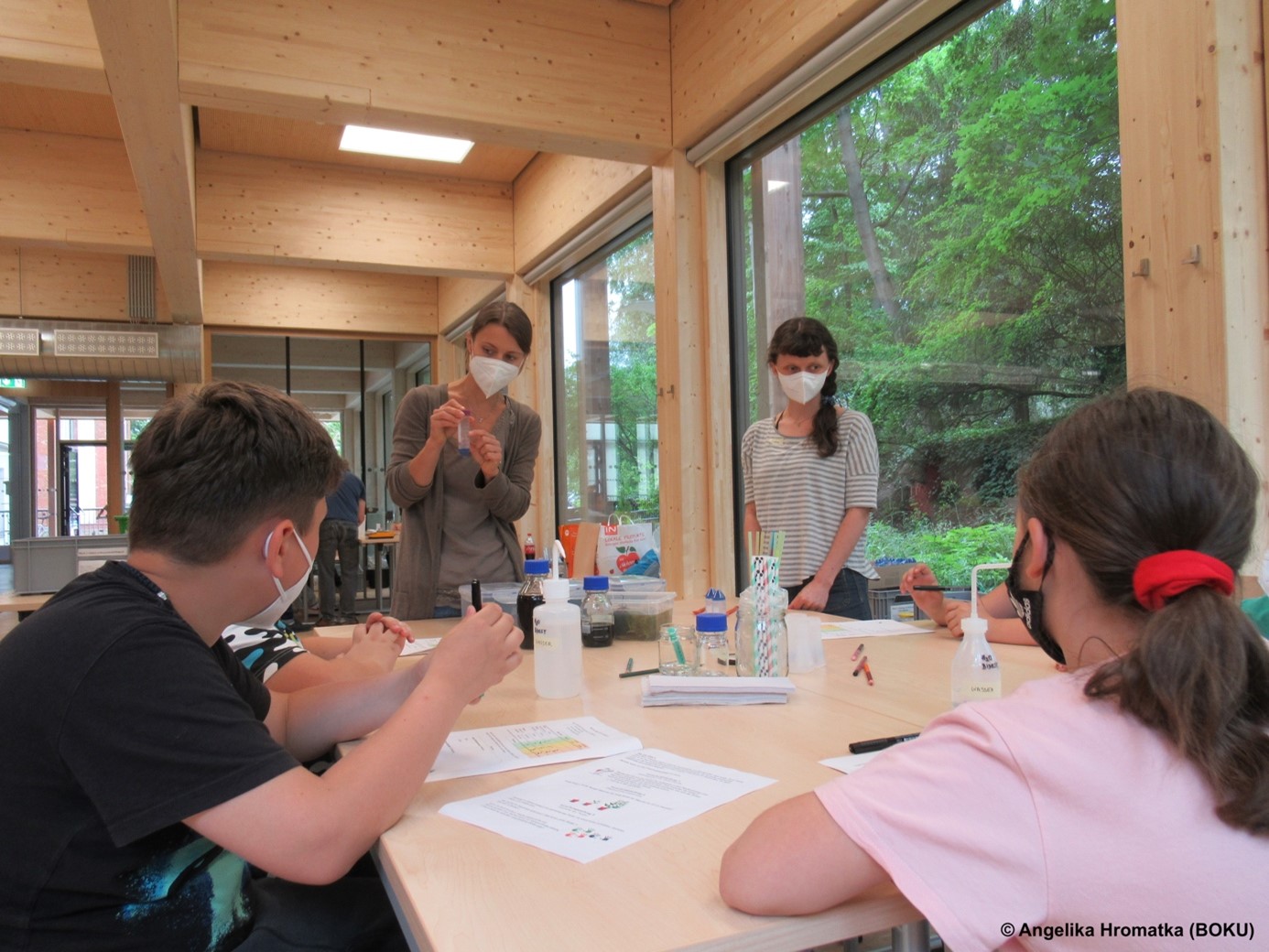
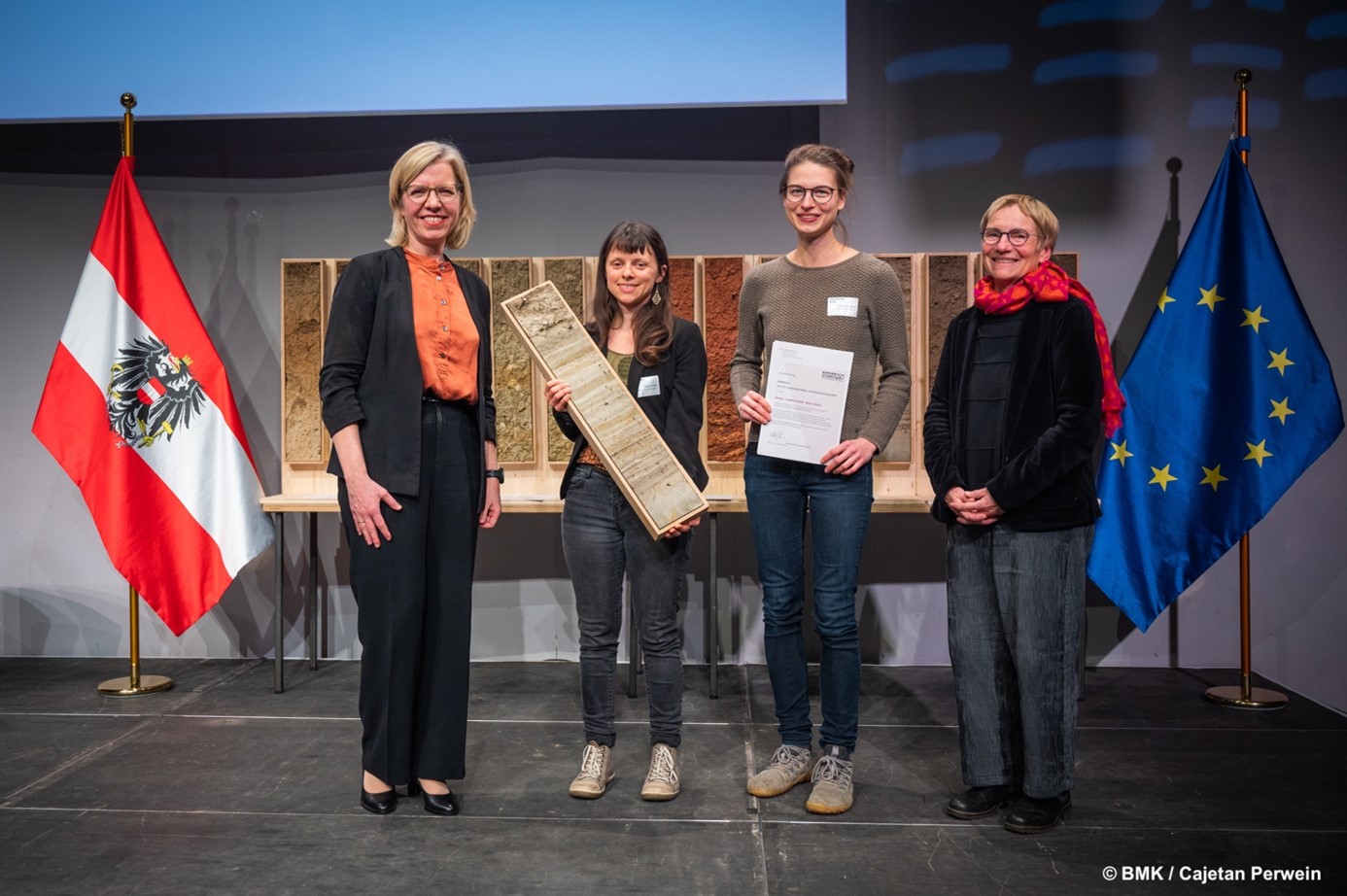

In the FFG-funded project HuLK, the working group Boden.Pioniere, together with pupils from six Viennese classes and the BOKU kindergarten, explored the importance of healthy soils for sustainable food supply. The relationships between plants and soils and their function in the carbon cycle were the main topics addressed.
In workshops, the pupils carried out hands-on experiments, looked for soil animals, used microscopes, painted with soil colors and more. In a plant experiment, the children observed how different plant species cope with drought and how much water different soils can hold. The pupils were actively involved and conducted their own experiments as young scientists. The project was awarded the Erdreichpreis 2023 in the category “participation”. Watch the video about the project (2020-2024).
In the CURIOSOIL project, the working group continues to focus on how to awaken soil curiosity in society and how to promote soil education in Europe. If you are interested, you can get actively involved in the national Communities of Practice! More information is available here.