Skills concepts in science
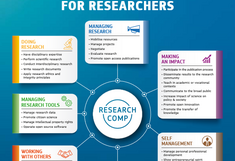
Various competence models can be used to accurately describe the competencies required in a scientific career. The European Commission has developed The European Competence Framework for Researchers, a comprehensive tool for assessing and developing (transferable) skills in research. More information can be found on the ResearchComp Webpage.
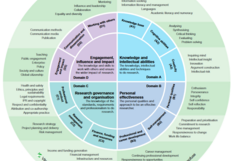
The Researchers Development Framework of the renowned Vitae Careers Research and Advisory Centre (CRAC) in Cambridgen is also very helpful, in which scientific competencies have been categorized into four main domains and numerous sub-domains. This should enable researchers to better assess and plan their professional development.
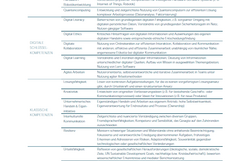
The German Stifterverband - with the aim of helping to shape the education and science system for the future - has developed the Future Skills Framework together with McKinsey. It describes the skills that will become significantly more important in the coming years. These include the design of transformative technologies (artificial intelligence, robotics) as well as digital and non-digital key qualifications. To the discussion paper: Future Skills
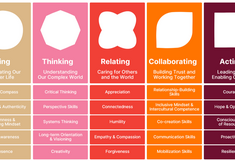
The Inner Development Goals (IDG) were created in connection with the UN Sustainable Development Goals (SDGs). Inner growth is seen as a prerequisite for sustainable outer change. Therefore, the Inner Development Goals describe scientifically based skills and characteristics that contribute to a sustainable, meaningful and productive lifestyle. Summary report: Inner Development Goals