
Material stocks in a circular economy
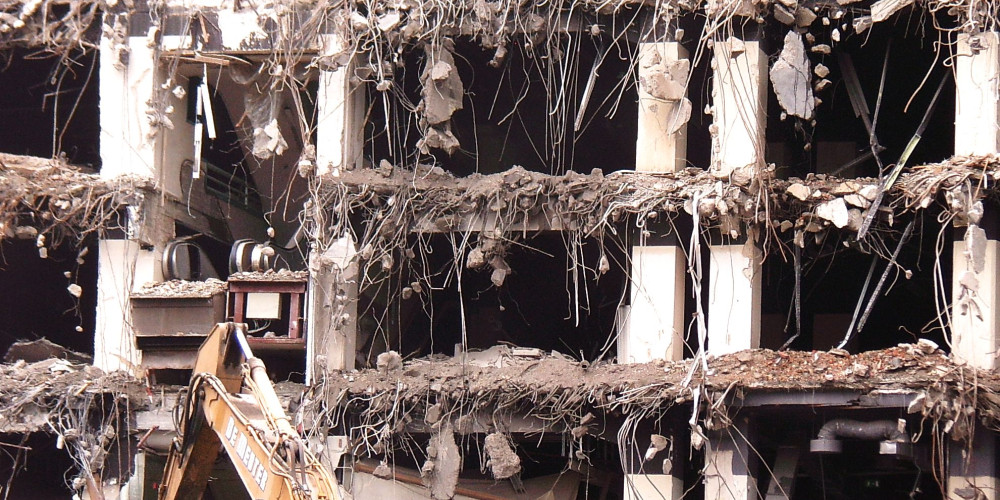
A new briefing by the European Environment Agency (EEA) summarizes the findings of a report by the Institute of Social Ecology and TRINOMICS, which is based on scientific research in the REMASS project.
The figures are striking: so far, resource policies focused on material inflows and outflows. However, the size and role of material stocks have been overlooked thus far. Between 1970 and 2022, material stocks in the European Union nearly tripled, reaching 344 tonnes per capita - almost 99% of this embedded in buildings and infrastructure.
These stocks represent a valuable reservoir of secondary raw materials. Materials recovered through renovation, deconstruction and repair can strengthen Europe’s competitiveness, resilience and resource security and so reduce dependence on primary raw materials. The keys are circular design, reuse and high-quality recycling: products and structures that are easy to disassemble, separate by material and feed back into new applications.
The briefing also highlights challenges. Growing stocks mean rising resource inputs for maintenance, refurbishment and replacement. To unlock the full potential without overlooking the challenges, Europe needs better data on material composition, reliable quality standards for secondary materials and clear policy and market conditions that make their use economically attractive.
Learn more:
Report Investigation material stocks in Europe
EEA Briefing Material stocks in a circular economy