Fungal systems biology is the scientific study of the functions, behaviors, and properties of fungi through an integrative, systematic approach, relying on the analysis and modeling of large, high-throughput datasets. It involves a holistic, "omics"-driven perspective—genomics, transcriptomics, proteomics, and metabolomics—to understand how cellular components interact to produce coherent behaviors in space and time.
Key Aspects:
Integrative Modeling: It connects genome-wide data sets with theoretical approaches and experimental validation to build networks of fungal metabolism, regulation, and signaling.
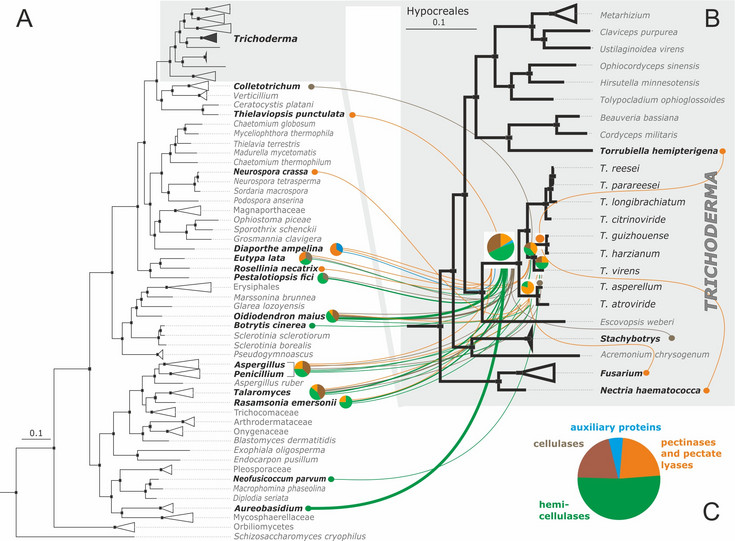
"Omics" and High-Throughput Approaches: Fungal systems biology uses tools like transcriptomics and proteomics to investigate the intricate regulatory networks, such as those coordinating cellulase expression when fungi are exposed to complex plant biomass.
Modeling Cellular Behavior: It focuses on understanding how fungi (such as yeasts and filamentous fungi) regulate transcription, RNA processing, and cell structure, and how these processes respond to environmental changes.