Research Focus

Atanasova Lab is rooted in systems biology, exploring the complex, multi-layered networks that dictate how fungi interact with their environment and other organisms. Instead of studying individual genes in isolation, we adopt a holistic approach that integrates high-throughput data to map the "big picture" of fungal behavior.
 

We focus on functional omics—specifically transcriptomics and proteomics—allowing us to analyze how entire sets of genes and proteins respond simultaneously during mycoparasitic interactions. By comparing these large-scale datasets across different fungal species and mutant strains, we can identify robustly regulated targets and the regulatory hierarchies that govern life-style switches. This systems-level perspective is essential for understanding lifestyle plasticity, as it reveals the coordinated signaling pathways, such as MAPK cascades, that act as central processing units for external stimuli.
 

Furthermore, our research links molecular data with phenotype profiling to bridge the gap between a fungus's genetic potential and its actual ecological performance. By investigating how bioactive metabolites and enzymatic activities function within the broader context of an ecosystem, we apply systems biology to understand how predictable biological control agents could work for sustainable agriculture. The integration of evolutionary analysis with functional genomics furthermore provides a comprehensive framework for understanding the intricate life strategies of filamentous fungi.
 

Atanasova’s research group explores the molecular biology and ecology of filamentous fungi, primarily focusing on how they interact with their environment and other organisms. 
Our Lab integrates functional genomics, high-throughput phenotyping, and evolutionary analysis to understand how fungi adapt to different environments and host organisms.
Key research aspects

Mycoparasitism


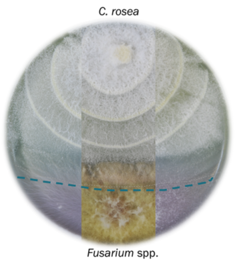
A major topic of our work is mycoparasitism, where one fungus preys on or kills another fungus. We study this as a natural mechanism for biological control to protect crops from soil-borne diseases.


Host Sensing: Investigating how mycoparasites like Trichoderma recognize and sense their fungal prey.


Attack Mechanisms: Analyzing how these fungi release hydrolytic enzymes and bioactive compounds to degrade the cell walls of their hosts.

Secondary Metabolites & Bioactive Compounds: Investigating the production of specialized small molecules (such as peptaibols, polyketides, and terpenoids) that act in synergy with enzymes. These substances serve as chemical "weapons" to weaken prey fungi or as signaling molecules that regulate the expression of CAZymes, ensuring efficient nutrient acquisition during biomass decay.
 

Enzymatic Strategies & Biomass Decay

We study the role of specific enzymes in fungal survival and interaction:


CAZymes & LPMOs: Studying Carbohydrate-Active Enzymes (CAZymes) and Lytic Polysaccharide Monooxygenases (LPMOs) to see how they contribute to both the decay of plant matter (saprotrophy) and the colonization of live plants.


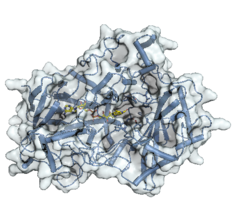
Oxidoreductases: Leading projects on GMC oxidoreductases in Clonostachys rosea to understand their function in diverse nutritional strategies. 
 

Molecular Signaling & Genetic Regulation


We investigate the "decision-making" processes in fungi:


MAPK Signaling: Dissecting pathways like Tmk1 (Fus3/Kss1-like) that trigger the switch to a mycoparasitic lifestyle.


Lifestyle Plasticity: Using functional genomics to understand how fungi adapt their behavior (e.g., from mutualist to parasite) in response to changing environments. 
 

Fungal Evolution & Biodiversity


We look at the evolution and diversity of the fungal kingdom:


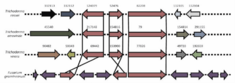
Lateral Gene Transfer: massive lateral gene transfer from host fungi to mycoparasitic fungi, which likely helped these fungi evolve the ability to degrade plant cell walls.


Molecular Phylogeny: Using DNA barcoding and comparative genomics to identify and classify hundreds of new fungal species. 
 

AgroGenomics of Trichoderma


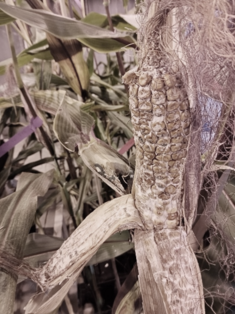
A growing focus of our research is the AgroGenomics of Trichoderma, aiming to dissect the molecular and genomic mechanisms underlying pathogenicity and lifestyle transitions in this agriculturally important fungal genus. While many Trichoderma strains are beneficial biocontrol agents, recent reports of Trichoderma afroharzianum associated with maize disease and its inclusion on the alert list of the European and Mediterranean Plant Protection Organization (EPPO) highlight the importance of understanding strain-specific risks and regulatory implications.


Pathogenicity Mechanisms: Investigating genetic and regulatory factors that determine virulence, host colonization, and host specificity in Trichoderma. 


Strain Diversity & Risk Assessment: Using comparative genomics and phenotyping to distinguish beneficial strains from those with potential pathogenic behavior in agricultural systems.