112. ZUG-Minisymposium, 15.10.2026
An Environmental and Military History of the Ottoman Danube (1500-1700)
Präsentation:
Deniz Armağan Akto
Institut für Orientalistik, Universität Wien
Moderation:
Martin Schmid
Zentrum für Umweltgeschichte, Institut für Soziale Ökologie, BOKU University
Time / Zeit: Donnerstag, 15.10.2026, 18:15
Place / Ort: BOKU University | Standort Schottenfeldgasse 29, 1070 Wien, SR 31 (SR 3a) oder online via Zoom (bei Interesse kontaktieren Sie bitte umweltgeschichte(at)boku.ac.at)
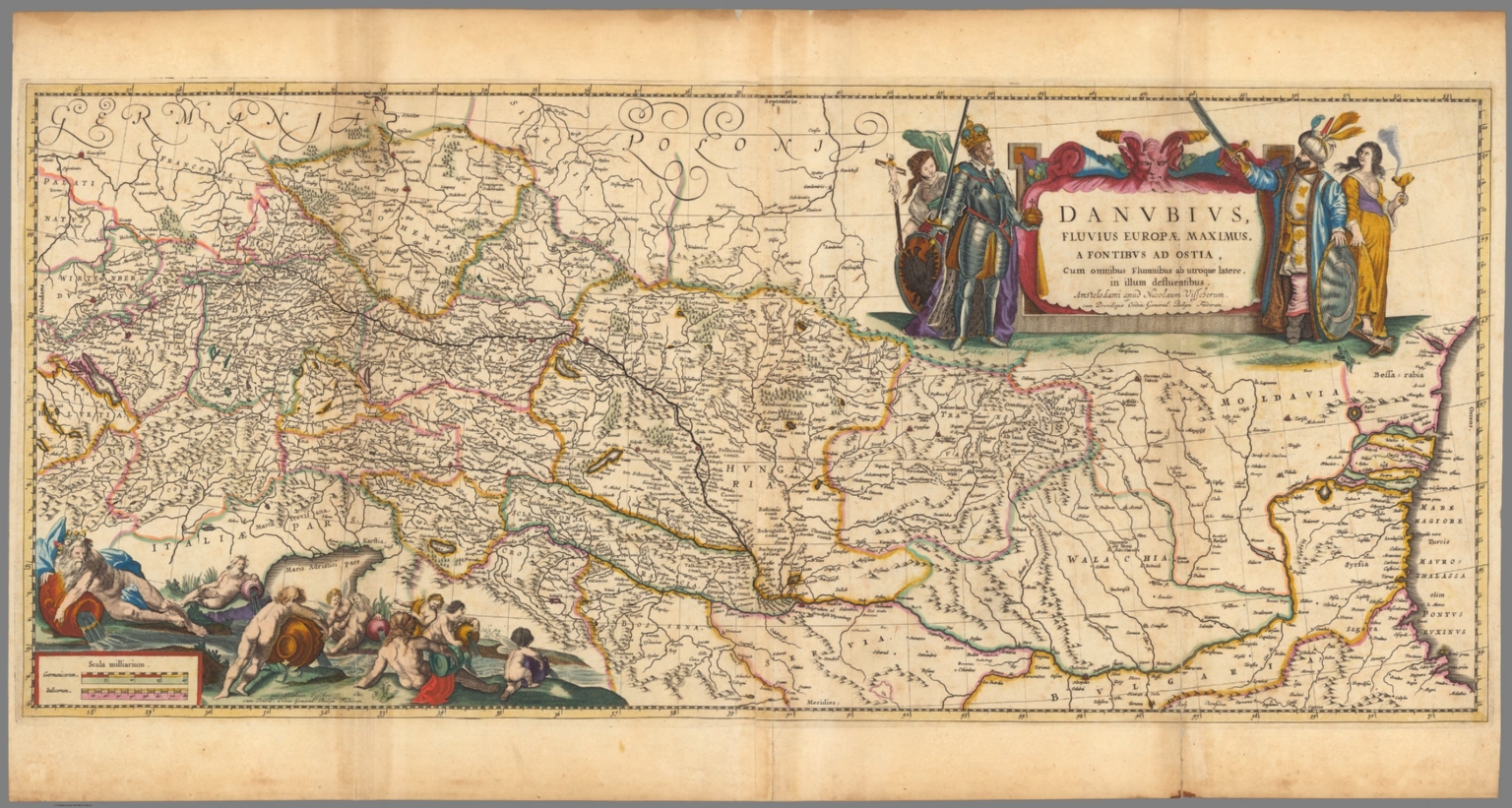
While the historiography has long described the Danube River as an indispensable logistical waterway for the Ottoman state, it remains understudied from the perspective of environmental history. This talk asks how Ottoman rule dealt with the disturbances of the river, how topography and hydrology shaped the infrastructural landscape and military organization, how far the surviving records let us trace that relationship, and what the silences reveal about the archive itself. The Ottoman Danube was as much an environmental system as a military frontier. During their rule, the Ottoman Empire held this waterway through a dense network of fortresses, shipyards, bridges, and mills. Drawing on Ottoman fiscal, military, and administrative registers, the FWF-funded DANFront project reconstructs this frontier as a georeferenced dataset. The Danube frontier, seen this way, was not only a line to be defended, but a river to be coped with.
Deniz Armağan Akto is a postdoctoral researcher at the Institut für Orientalistik, University of Vienna, where he works on the FWF-funded project DANFront, investigating the environmental and military history of the Ottoman Danubian frontier in the sixteenth and seventeenth centuries. He received his Ph.D. from the Department of History at Bilkent University, Ankara, with a dissertation on the socio-economic, military, and administrative transformation of the Ottoman Lower Danubian provinces of Vidin and Niğbolu (Nikopol). His research focuses on the environmental and military history of the Ottoman Danube, frontier organization and the relationship between imperial governance and the riverine environment in the early modern period.
Download
Wenn Sie nicht persönlich am ZUG-Minisymposium teilnehmen können, gibt es auch die Möglichkeit, die Veranstaltung per Zoom mitzuverfolgen. Bei Interesse kontaktieren Sie bitte umweltgeschichte(at)boku.ac.at .