
Innovative Valorization of Aquatic Plants from the Danube Region in a Decentralized Biorefinery
SUPERVISOR: Thomas ROSENAU
PROJECT ASSIGNED TO: Mihaela CHIOREAN
Petroleum-based packaging materials are among the most significant sources of plastic waste and environmental pollution. A sustainable response to climate challenges requires a transition to a biobased circular economy based on alternative, non-woody biomass resources. In the InnoWAP project, we aim to create a new value chain for the valorization of locally sourced aquatic plants, primarily focusing on submerged macrophytes from the Old and New Danube in Vienna and emergent species such as reeds from Lake Neusiedl.
Our research goal is to convert this biomass into value-added products such as specialty papers, textile fibers, and packaging materials that are both bio-based and biodegradable. Our approach aligns with the principles of Green Chemistry and simultaneously contributes to CO₂ emission reduction. Prior to further processing, the biomass is subjected to a mild soda pulping process to obtain pure and processable fibers for bio-based applications (see figure 1 and 2). Within our project, we focus on testing and selecting different binders, such as water plant- or reed-based nanocellulose and/or water-soluble polysaccharides (e.g., starch, pectin), for the preparation of fully biobased packaging solutions.
Exploiting the potential of this inexpensive and broadly distributed biomass is expected to play a crucial role in advancing modern biorefinery concepts and the proposed applications.
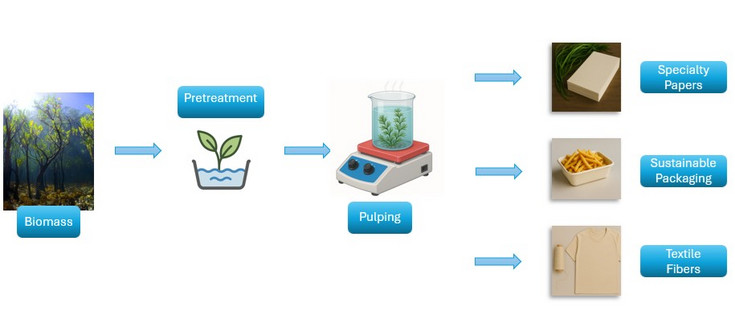
Figure 1: General overview of the biomass pretreatment and pulping process for bio-based applications
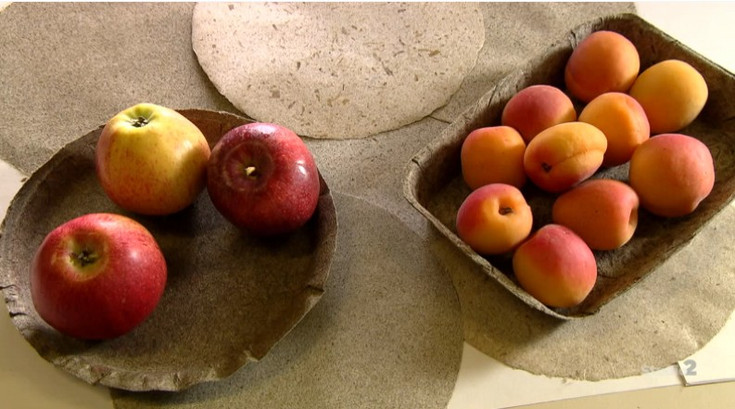
Figure 2: Water plant-based prototypes and specialty papers