Taming an Ancient Guest: Autophagy in Mitochondrial Quality Control
SUPERVISOR: Barbara KORBEI
PROJECT ASSIGNED TO: Valdemar KJERULFF
Cells, whether from fungi, plants, or humans, organize their functions in highly specialized compartments called organelles. Mitochondria, for example, meet cellular energy demands and build key molecular building blocks. Interestingly, they were once bacteria, taken up and domesticated by unicellular ancestors. This ancient partnership works because quality-control mechanisms evolved that keep mitochondria functional and prevent harmful effects on the cell. A central aspect of this quality control is the regulation of molecular communication between mitochondria and the rest of the cell. This communication occurs, for example, through proteins in the outer mitochondrial membrane that coordinate signaling and molecule exchange. In this project, we ask how cells adjust the quality and quantity of these proteins to maintain cellular homeostasis.
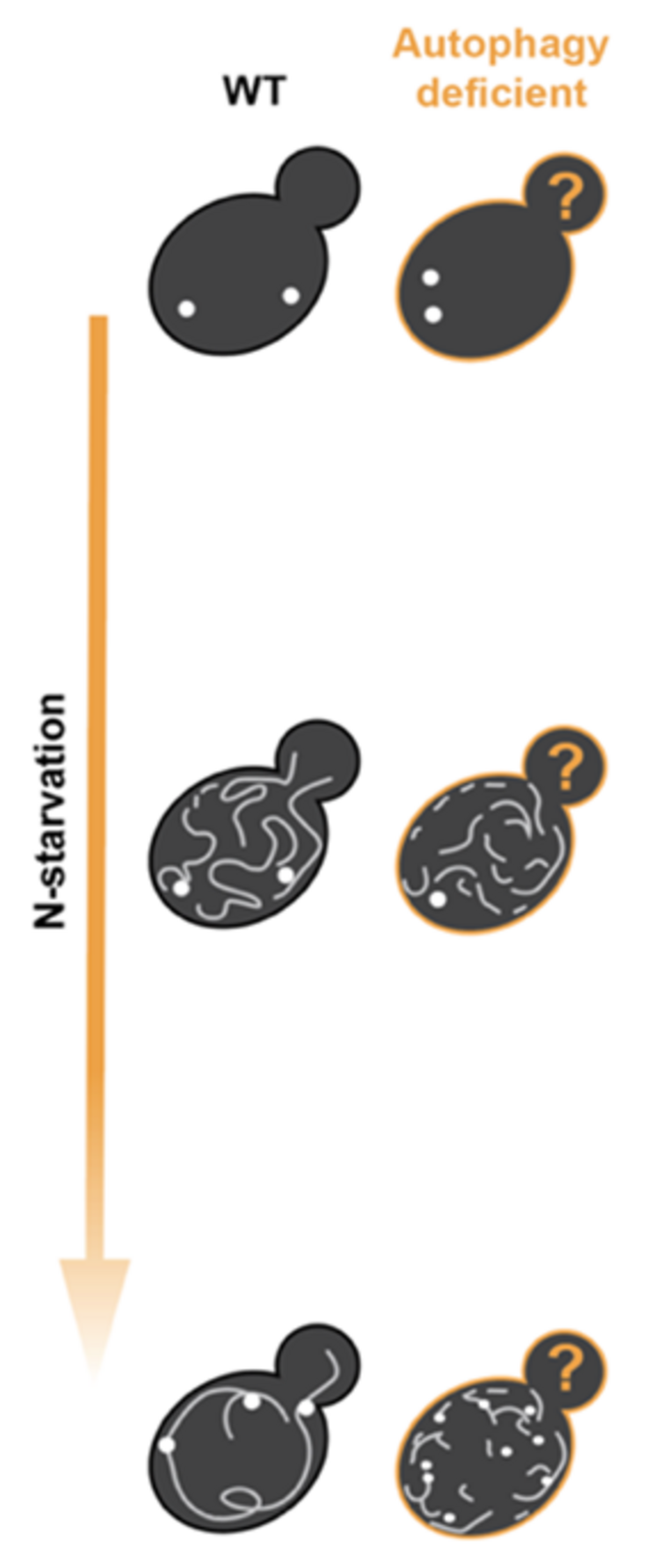
Autophagy is the cell’s central recycling system: it recognizes damaged or superfluous material and degrades it. Our preliminary data indicate that autophagy plays a major role in turning over mitochondrial outer membrane proteins. We will identify which components of the autophagy machinery detect and remove excess or non-functional proteins and determine how this process shapes communication between mitochondria and the cell. Using yeast as a model, we identify the genetic basis of this pathway and extend our findings to plants, examining how this process affects stress resistance and survival. This combined approach delivers insights from single molecules to multicellular organisms and contributes to understanding how cells communicate with their mitochondria, with relevance from plant breeding to medicine.