Use Of Plants: Students Explore Building-Integrated Greening Solutions by Bike in Vienna
As part of the course “Use of Plants: Integrated Design of Architecture and Greenery” within the Master’s programme Green Building Engineering at BOKU University Vienna, students took part in a full-day bicycle excursion through Vienna on 17 June 2026. The course was organised by the Institute of Soil Bioengineering and Landscape Construction (IBLB) and coordinated by Univ.-Ass. Dipl.-Ing. Anna Katharina Briefer and Dipl.-Ing. Dr. Michael Gräf.
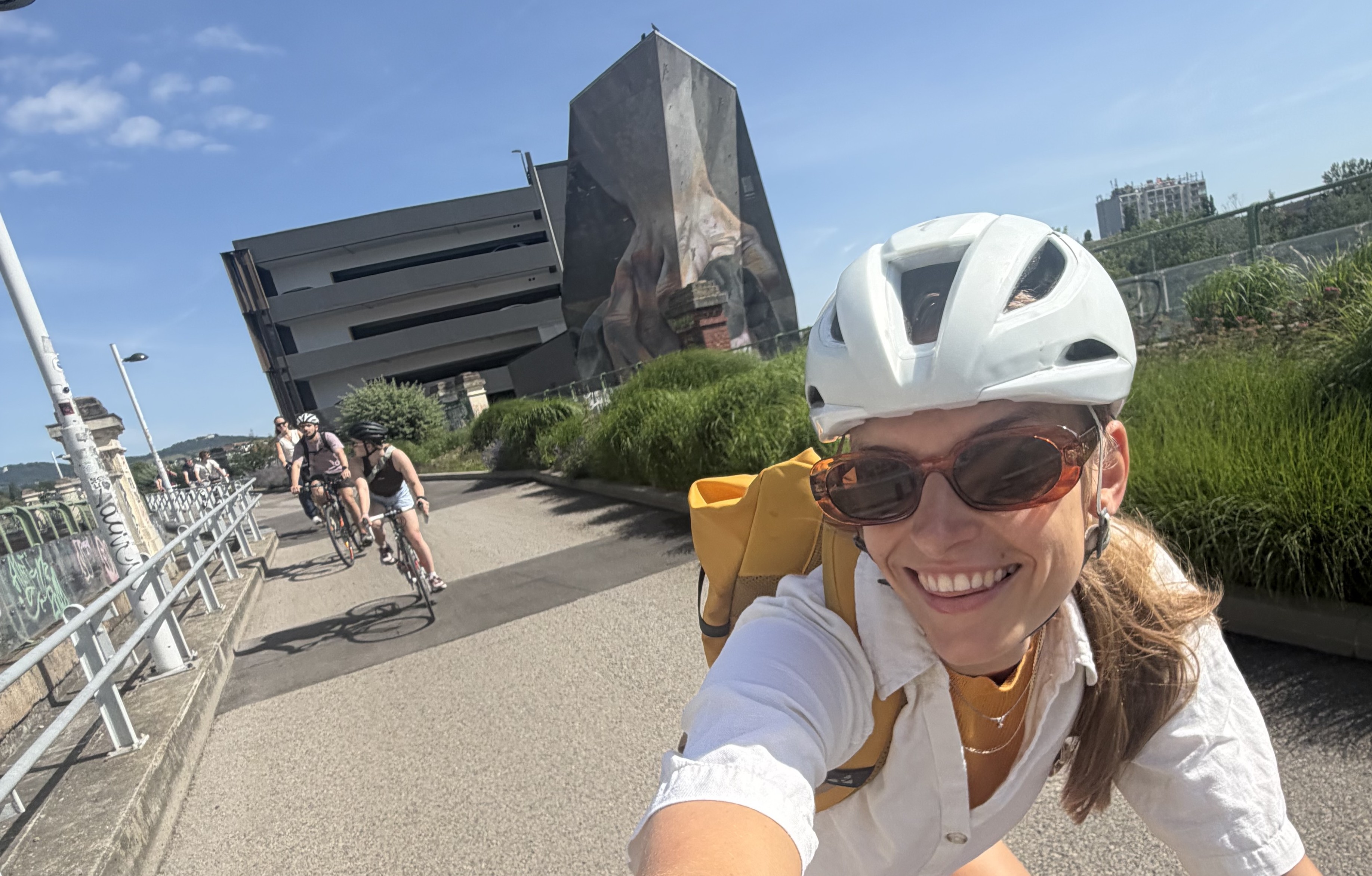
The aim of the excursion was to analyse building-integrated greenery solutions in their real urban context and to understand their technical, ecological, and design-related aspects directly on site. By moving through the city by bicycle, students experienced different urban structures and gained insights into how green infrastructure can contribute to climate adaptation, spatial quality, and sustainable urban development.
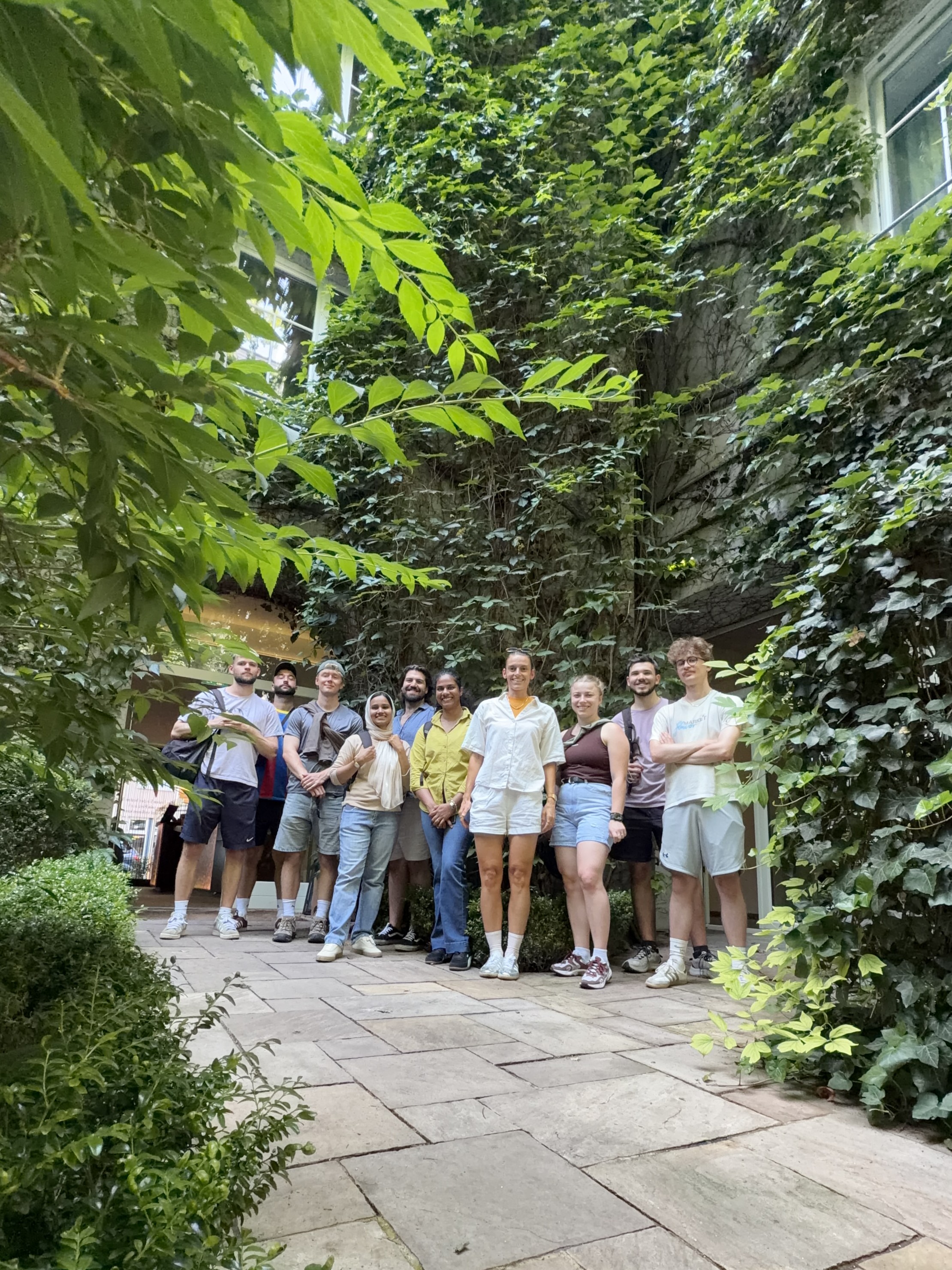
The route led the students to seven locations across five districts of Vienna, including a variety of innovative greening projects such as the Living Wall at Hotel Gilbert, rooftop and façade greening solutions at Haus des Meeres, as well as modular greening systems and climate-adaptive green infrastructure concepts around Spittelau.
At each stop, student groups presented their own short analyses of the selected sites. Their presentations focused on key aspects of integrated greenery design, including:
- plant selection and suitability,
- substrate systems and growing conditions,
- irrigation and maintenance concepts,
- technical integration into buildings,
- and the contribution of green infrastructure to urban comfort and climate resilience.
The excursion allowed students to transfer the theoretical knowledge developed throughout the semester into real-world applications. Through direct observation and discussion, they were able to critically evaluate existing solutions, identify opportunities and challenges, and reflect on the interaction between architecture, vegetation, technology, and urban space.
Beyond the technical learning outcomes, the bicycle excursion also supported the students’ understanding of Vienna as their study environment. Especially for the international student group, the route provided an opportunity to discover different districts of the city, experience its urban structures, and strengthen connections within the study programme.
The excursion represents the interdisciplinary approach of the course Use of Plants: Integrated Design of Architecture and Greenery: combining research-based knowledge, practical experience, and collaborative learning to develop future-oriented solutions for greener and more resilient cities.
Interested in joining us next year?
Would you like to explore how plants, buildings, and urban spaces can be designed together? The course “Use of Plants: Integrated Design of Architecture and Greenery” offers students the opportunity to combine theoretical knowledge with practical site analysis, field excursions, and collaborative design work.
Students interested in participating in the next course edition are welcome to get in touch:
-
Cycling along the Danube promenade towards the second excursion site -
Group photo of the “Use of Plants” course at the excursion stop “Floating Gardens” at Kaiserbadschleuse -
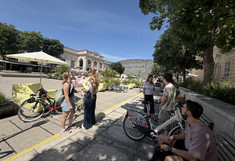
On-site student presentation at MuseumsQuartier Vienna -
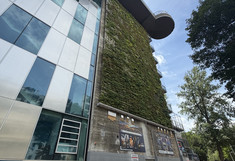
Independent analysis by student groups: understanding and evaluating urban greening interventions in the city -
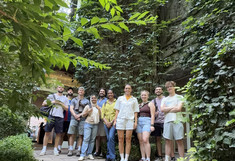
Best-practice example at Boutiquehotel Stadthalle of building-integrated greenery – part of the BOKU excursion focusing on urban green infrastructure