Reusing Historic Bricks
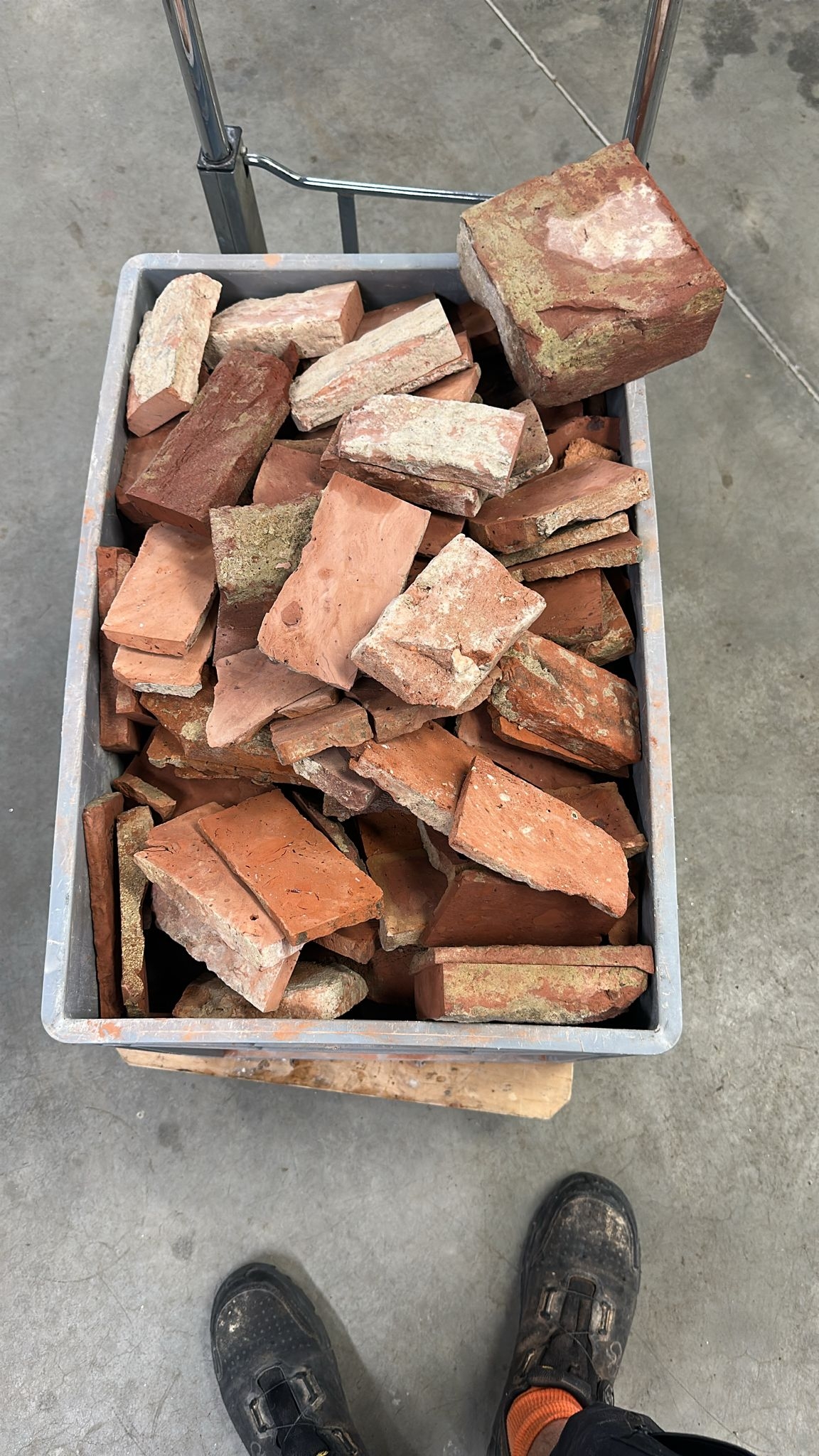
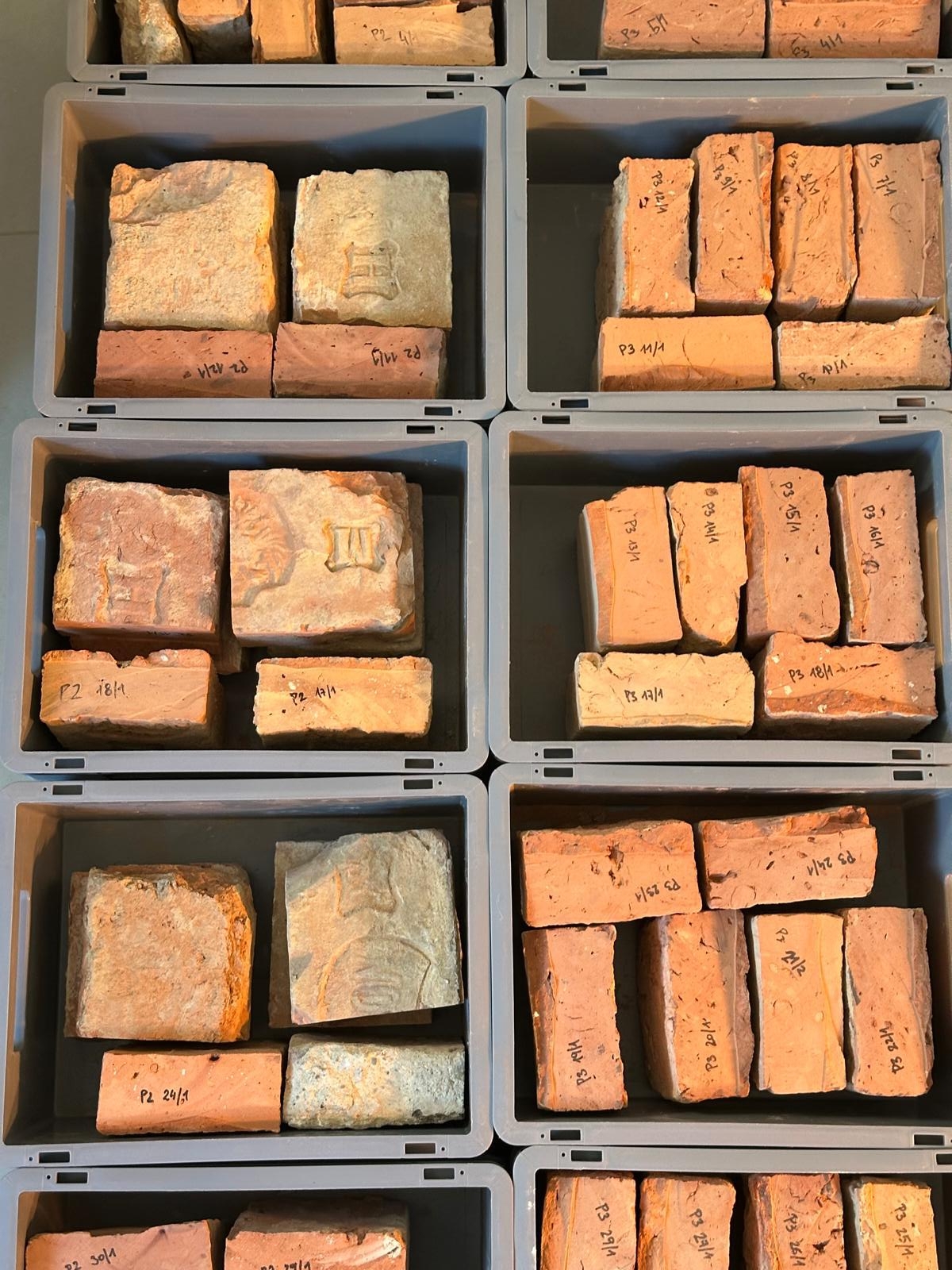
Within the KRAISBAU research project, we investigate the reuse of structural, mineral-based building components from existing buildings, focusing particularly on bricks. Together with concrete, they account for around 96% of the total built mass in Vienna. During demolition, these materials often end up in landfills or recycling streams, even though many bricks remain structurally sound.
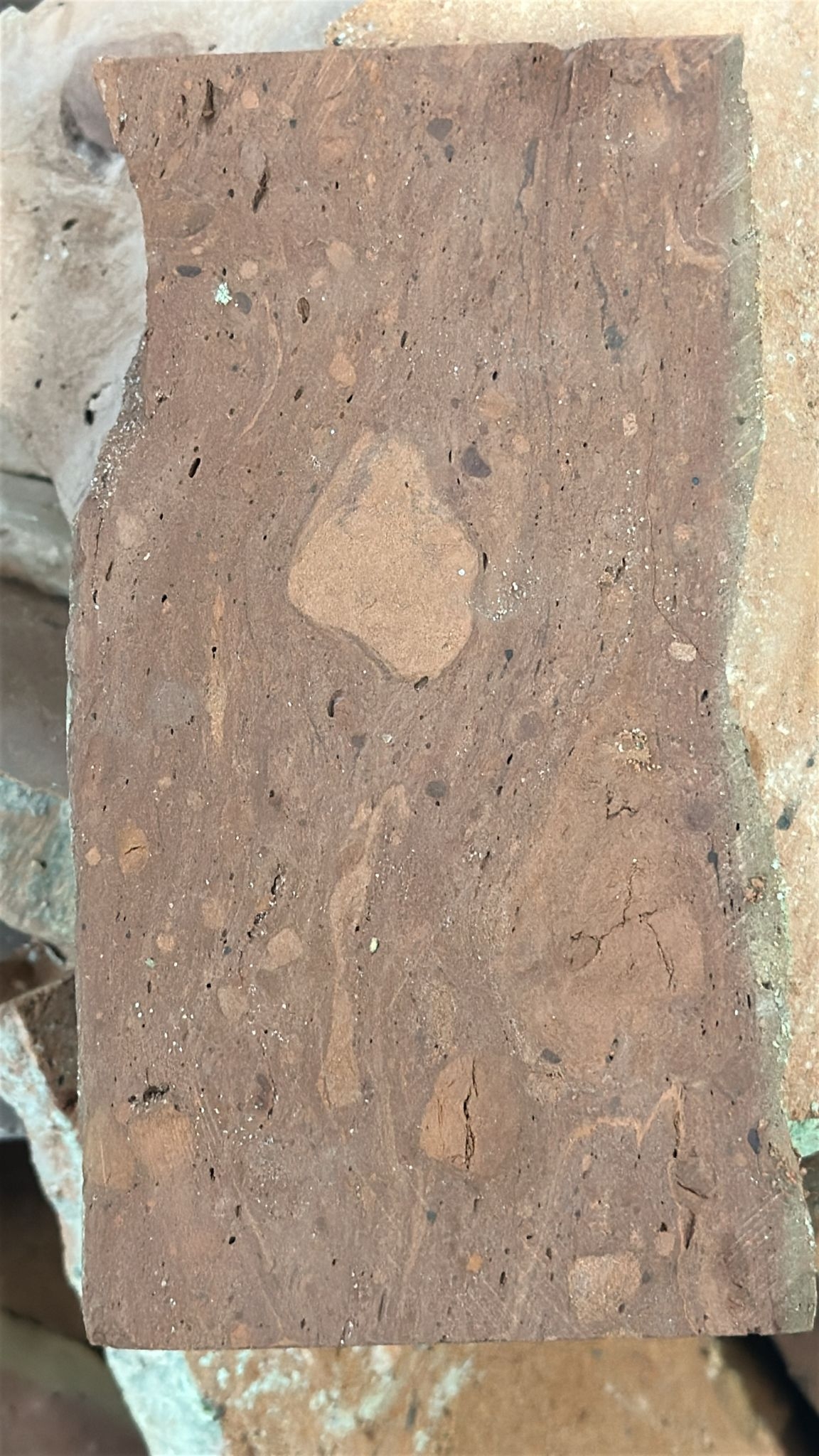
Their quality, however, varies significantly. This is not because of aging, but due to highly inconsistent manufacturing processes from about 100 years ago. Hand-shaped raw bricks, fluctuating firing temperatures, and uneven drying resulted in substantial differences in compressive strength.
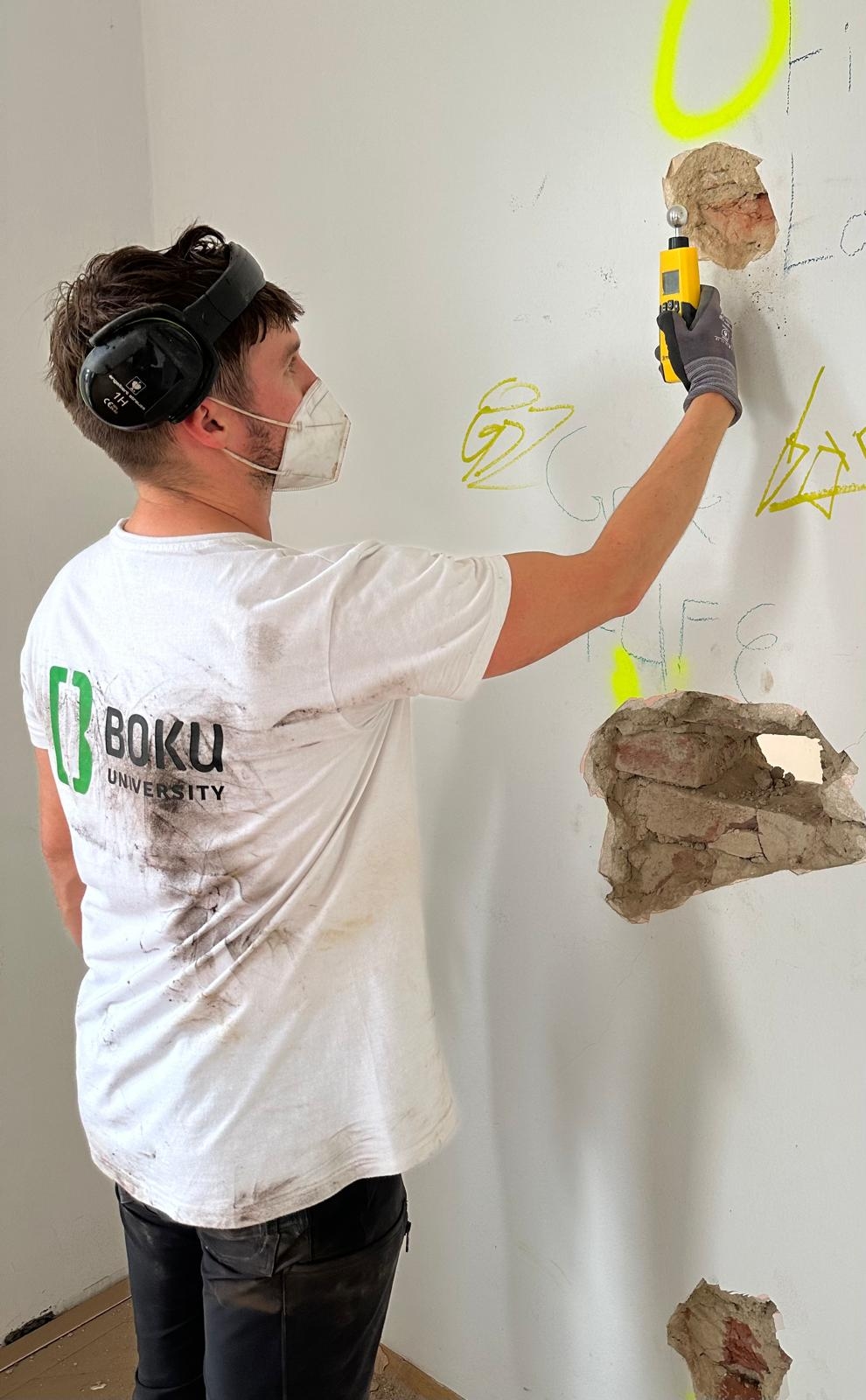
To enable reuse, we must determine the strength of each individual brick reliably, and crucially, without destroying it. For this purpose, we are developing a non-invasive testing method that provides consistent, comparable data.
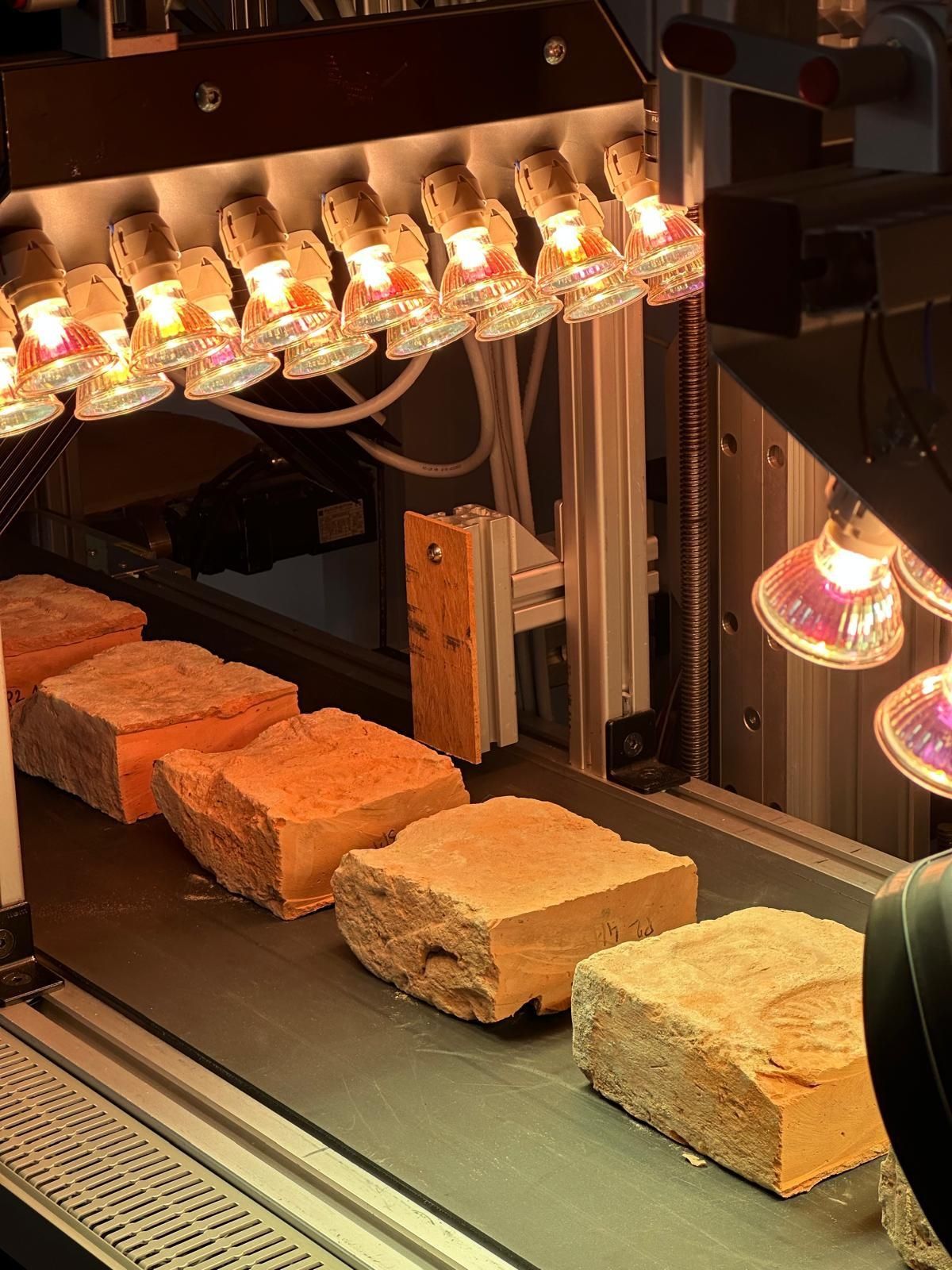
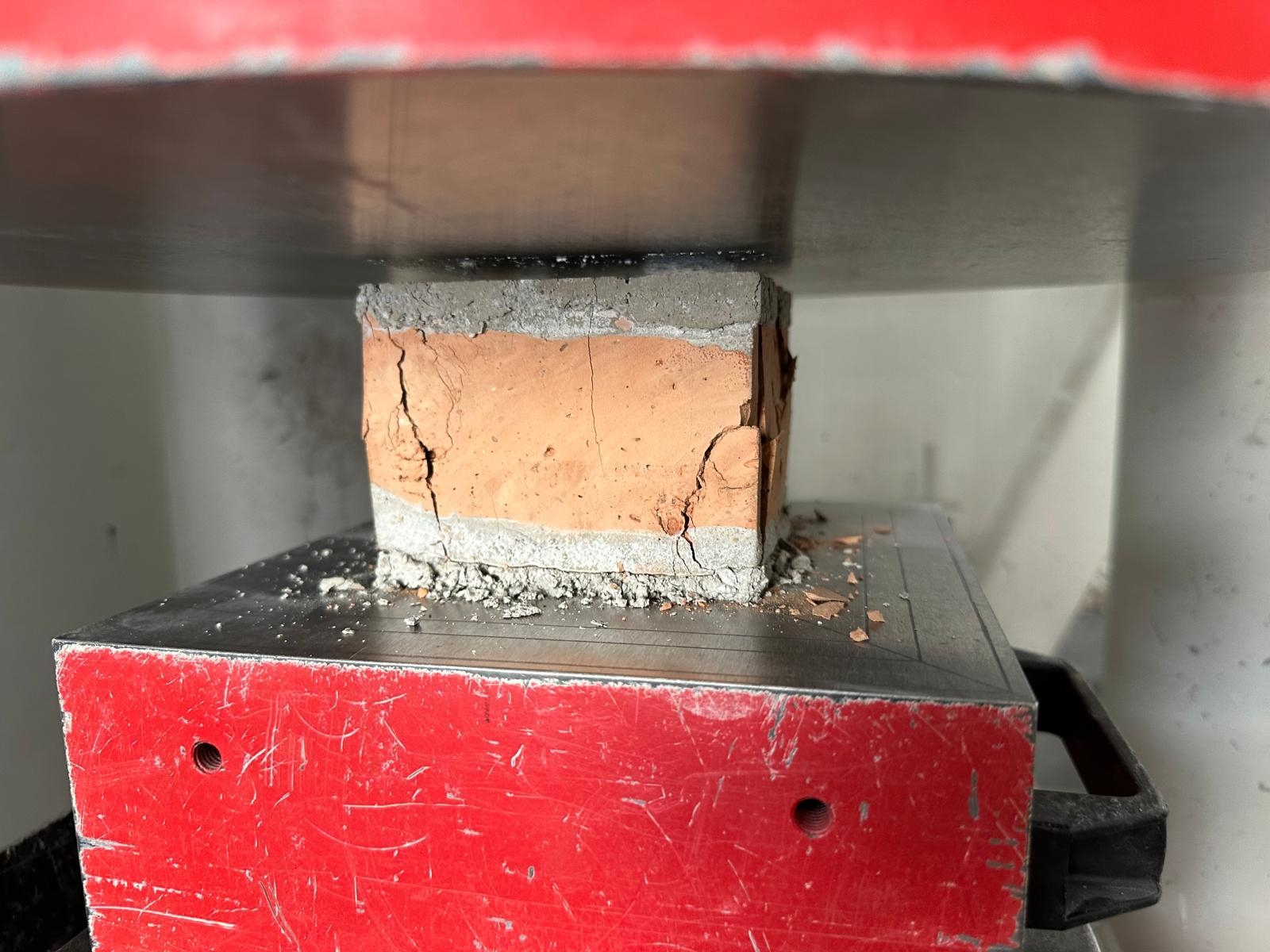
Currently, we are studying how infrared imaging and spectroscopy can reveal information about a brick’s internal structure and, consequently, its strength. Bricks taken from a historic Viennese building have been analysed spectroscopically and subsequently tested in compression. The resulting datasets are evaluated using artificial intelligence, which can detect correlations and patterns far more efficiently than manual assessment.
In the long term, this method could be applied directly on construction sites, allowing for rapid identification (within seconds) of reusable versus non-reusable bricks. This represents a crucial step toward advancing circularity in the construction sector.